How to Grow Alpine Strawberries in Shallow Balcony Planters
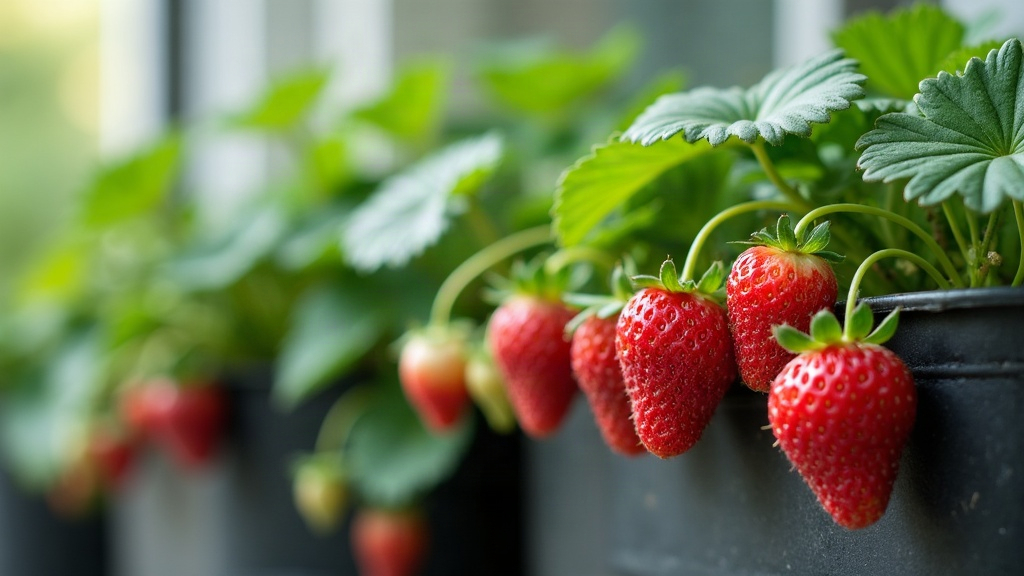
Growing Alpine Strawberries in Shallow Balcony Planters
Alpine strawberries are one of the best fruits for small-space gardeners, and it’s not even close. Their roots stay compact, they grow in tidy clumps instead of sprawling everywhere, and they keep producing berries for months, which suits a shallow balcony planter far better than most fruiting plants. Give them a container at least 15 cm (6 inches) deep, a rich but well-draining soil mix, steady moisture, and a few good hours of sun, and you’ll be picking fragrant, intensely flavored berries from late spring right through autumn.
Why Alpine Strawberries Work in Shallow Planters
Alpine strawberries (Fragaria vesca) aren’t the plump supermarket berries most people picture. They’re smaller, sometimes not much bigger than a fingertip, but the flavor punches well above their size. One ripe berry can smell like a whole basket of regular strawberries.
Most alpine varieties grow as neat clumps rather than throwing out long runners across your balcony floor. That makes them a lot easier to manage in narrow troughs, window boxes, railing planters, or even a low bowl on a side table.
Their root systems also stay fairly shallow, so you don’t need a deep pot to keep them happy. That said, extra soil volume never hurts. It gives the planter a bit more buffer during a heatwave when everything dries out twice as fast.
Some reliable varieties for balcony containers:
- ‘Mignonette’, a classic red-fruited alpine strawberry with excellent flavor.
- ‘Alexandria’, productive and runnerless, which suits containers well.
- ‘Yellow Wonder’, pale yellow berries that birds tend to overlook (they simply don’t register as ripe fruit to them).
- ‘White Soul’, creamy white fruit with a faint pineapple aroma.
- ‘Reine des Vallées’, prized for its small but intensely perfumed berries.
Choose the Right Shallow Balcony Planter
When you’re growing alpine strawberries in shallow balcony planters, drainage matters far more than sheer depth. Pick a container with several drainage holes, not a pretty glazed pot that quietly turns into a swamp after every watering.
A few minimum dimensions worth aiming for:
- Depth: 15–20 cm (6–8 inches)
- Width: 20 cm (8 inches) or more
- Length for troughs: any length works, as long as spacing is respected
- Plant spacing: 15–20 cm (6–8 inches) between plants
A standard 60 cm (24-inch) window box will usually fit three plants comfortably, sometimes four if you’re patient with pruning. Resist the urge to cram in more. Tightly packed plants dry out faster, get poor airflow between the leaves, and end up producing fewer, smaller berries than three well-spaced ones would.
Terracotta looks lovely on a sunny balcony but it dries out fast, sometimes within hours on a windy day. Plastic, fiberglass, glazed ceramic, or self-watering planters tend to be more forgiving. If you’re using a metal railing planter, line it or slip a smaller pot inside, because metal can heat up in summer sun enough to cook the roots.
Use a Moisture-Retentive, Free-Draining Soil Mix
Alpine strawberries want soil that holds onto moisture without ever turning to mud. Regular garden soil is almost always too heavy for containers anyway, and it often carries pests or weed seeds you really don’t want on a balcony.
A simple mix that works well:
- 2 parts quality peat-free multipurpose compost
- 1 part coconut coir or leaf mold, for moisture retention
- 1 part perlite, pumice, or fine horticultural grit, for drainage
- A small handful of slow-release organic fertilizer
Fill the planter to about 2–3 cm (roughly 1 inch) below the rim. That gap matters: it stops soil from washing over the edge every time you water.
Plant each strawberry so the crown, the spot where stems meet roots, sits level with the soil surface. Bury it too deep and it rots. Leave the roots exposed above the surface and the plant dries out and struggles. Level is the goal.
Give Them Enough Sunlight
Alpine strawberries fruit best with at least four to six hours of direct sunlight a day. A south- or west-facing balcony is close to ideal in cooler climates.
In really hot regions though, strong afternoon sun can scorch the leaves and bake a shallow container dry within an hour or two. If that’s your balcony, aim for morning sun with some shade after midday. A sheer screen, a taller neighboring plant, or even a movable shade cloth can do the trick.
Only three or four hours of sun available? The plants will probably still grow, but expect a smaller harvest. Pick the brightest spot you have, and don’t tuck the planter behind solid railings that block half the light before it even reaches the leaves.
Water Consistently, Especially in Summer
Shallow containers hold less soil, which means they dry out noticeably faster than deep pots. In warm or windy weather, it’s worth checking the planter every single morning, not every other day.
Water once the top 2 cm (about ¾ inch) of compost feels dry to the touch. Water slowly, and keep going until a little moisture drips out the bottom holes. That’s how you know the whole root zone actually got wet, not just the surface.
Rough watering guide by season:
- Spring: two or three times a week, depending on how the weather’s behaving.
- Summer: daily during hot spells, and twice a day if the balcony is exposed and windy.
- Autumn: ease off as temperatures drop.
- Winter: water sparingly, only when the compost is dry and definitely not frozen.
Try to aim the water at the soil rather than dousing the flowers and fruit. Wet leaves aren’t automatically a problem, but regular overhead watering in a crowded planter is a good way to invite fungal issues down the line.
A thin layer, 1–2 cm, of fine bark, straw, or untreated wood chips helps cut down on moisture loss. Just keep it clear of the crowns.
Feed for Ongoing Fruit Production
Since alpine strawberries can keep fruiting for months on end, they appreciate a light, steady feeding schedule rather than one big dose. Too much nitrogen, though, and you’ll get a lush jungle of leaves and hardly any berries, so skip high-nitrogen lawn or foliage feeds entirely.
Mix a slow-release fertilizer into the compost at planting time. Once flowers start showing up, switch to a diluted tomato fertilizer or liquid seaweed feed every two to three weeks.
One thing to avoid: never feed a plant that’s bone-dry and stressed. Water it first, let the soil settle, then apply the diluted fertilizer to moist ground.
Encourage Pollination and Pick Often
On an open balcony, bees and hoverflies usually handle pollination without any help from you. If your space is enclosed or screened in, though, gently brush the center of each open flower with a soft paintbrush every few days to move the pollen around yourself.
Pick berries once they’re fully colored and come away with a gentle tug. Don’t force it; a ripe berry should release easily. Alpine strawberries are delicate and don’t keep well, so eat them the same day, ideally within an hour or two of picking while the aroma is still strong.
Regular picking actually encourages more flowering, so check the plants daily during peak season. These berries can go from green to ripe faster than you’d expect, sometimes overnight in warm weather.
Common Problems and Simple Fixes
Plants Wilt Quickly
Usually this points to a planter that’s too dry, too shallow for current weather conditions, or sitting somewhere too windy. Water deeply, add mulch, and think about shifting the container into some afternoon shade.
Leaves Are Pale but Growth Is Slow
Could be exhausted compost, crowded roots, or simply not enough light reaching the plant. Feed lightly, double-check spacing, and refresh the top few centimeters of compost.
Fruit Is Small
Small fruit is just how alpine varieties are built, that’s normal. But poor pollination, low light, drought stress, or overcrowding can shrink berries even further. Fix sunlight, watering consistency, and airflow, and you’ll usually see an improvement within a couple of weeks.
Birds Eat the Berries
Drape lightweight mesh over the planter once fruit starts to color up. Yellow and white varieties get overlooked by birds more often, since they don’t look “ripe” to them, but netting remains the most reliable protection either way.
Winter Care and Replanting
In many climates, alpine strawberries behave as perennials, coming back year after year. In colder areas, though, shallow planters need some protection since the roots sit closer to the cold air than they would in open ground. Group pots together near a sheltered wall, and wrap the container sides (not the top) with fleece or bubble wrap, keeping the drainage holes clear.
Each spring, scrape off the top 3–5 cm of old compost and replace it with fresh mix. Divide overcrowded clumps every two or three years, or simply start fresh plants from seed if you’d rather begin again.
Final Thoughts
Growing alpine strawberries in shallow balcony planters really comes down to three things: good drainage, consistently moist soil, and enough sunlight. Get those right and the compact plants, fragrant berries, and steady harvest make them one of the most rewarding crops you can grow on a balcony, window box, or any other tight edible space you’ve got.