How to Grow Dwarf Okra in 5-Gallon Buckets on a Balcony
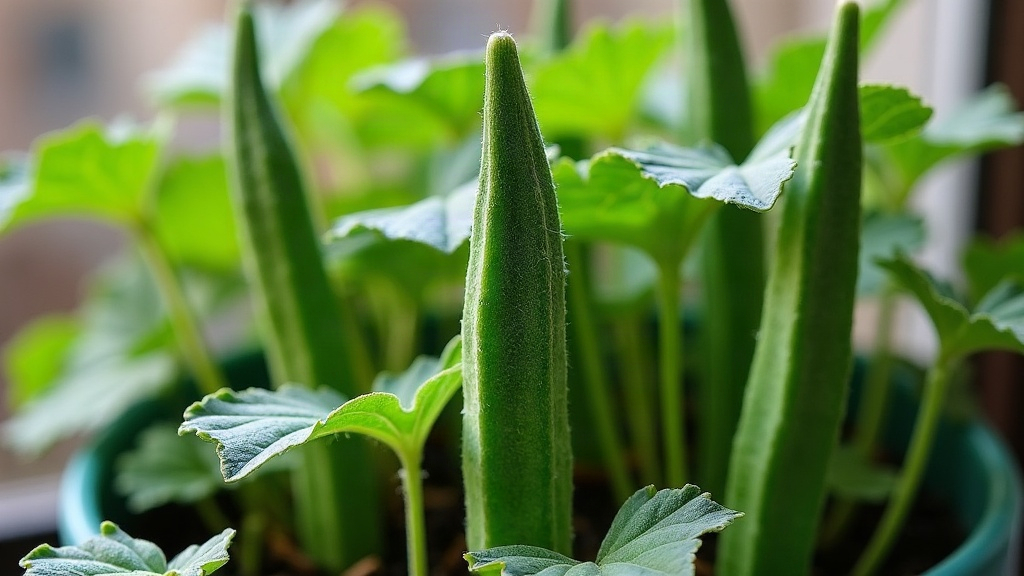
Growing dwarf okra in 5-gallon buckets is one of the most dependable ways to get real, fresh pods on a small, wind-battered apartment balcony. Pick the right compact variety, set your buckets up properly, stake against the wind, and water consistently, and you can pull in a steady summer harvest even ten floors up, where gusts show up like clockwork every afternoon.
Why Dwarf Okra Works for Balconies
Standard okra can shoot up 5 to 8 feet, which is a real problem in an open, windy spot. Tall stalks act like sails up there, and it doesn’t take much wind to snap or topple them. Dwarf varieties sidestep that issue entirely while still giving you full-size, tender pods.
A few compact cultivars worth hunting down:
- Baby Bubba — tops out around 3–4 feet, a heavy producer, does well in containers
- Little Lucy — reddish pods, stays under 3 feet, doubles as an ornamental
- Cajun Delight (bushier strains) — comes in early, stays a manageable height
Shorter plants sit lower to the ground, catch less wind, and snap far less often. That’s exactly what you want above street level.
Choosing and Prepping the Right Bucket
A 5-gallon bucket is really the bare minimum for okra. Even the dwarf types push down a surprisingly deep taproot.
Bucket checklist:
- Drill 6 to 8 drainage holes in the bottom (okra despises soggy roots)
- Toss in a 1-inch layer of gravel or broken pottery shards for drainage
- Fill with a mix of roughly 60% potting soil, 30% compost, 10% perlite
- Skip black plastic buckets in full sun. They cook the roots. If that’s all you’ve got, wrap them in light-colored fabric or give them a coat of pale paint
Stick to one plant per bucket. Cram two okra plants into a single 5-gallon container and you’ll end up with stunted growth and a much higher chance of the whole thing tipping over in a strong gust.
Wind-Proofing Your Setup
This is the part most guides gloss over, and honestly it’s the difference between a thriving little crop and a pile of snapped stems by mid-July.
1. Weight the buckets
Before you even plant, fill the bottom third with something heavy, sand or small rocks work fine, then layer your soil mix on top. This lowers the center of gravity right from the start.
2. Stake early, not late
Push in a bamboo or fiberglass stake (18 to 24 inches) at planting time, not weeks later once the plant’s already leaning. Tie it loosely with soft garden twine using a figure-eight pattern, so the stem can still flex instead of chafing against the stake.
3. Use a wind-break
Put your buckets against a solid balcony wall instead of out along an open railing. Even a cheap mesh windscreen or a clear acrylic panel clipped to the railing knocks down gust force noticeably, without cutting into your sunlight.
4. Group buckets together
Line up 3 to 4 buckets side by side. They end up sheltering each other’s leaves and pods from direct wind, basically a mutual buffer system.
Sunlight, Water, and Feeding
Okra is a heat lover, plain and simple. It wants:
- 6 to 8 hours of direct sun a day — south or west-facing balconies are ideal
- Deep watering 3 to 4 times a week in summer heat (poke a finger 2 inches into the soil; if it’s dry, water)
- Balanced fertilizer (10-10-10) every 3 weeks, then a switch to a bloom booster once flowers start showing up
Windy balconies dry out faster than a garden bed at ground level, so check the soil more often than most container guides recommend. During a heat wave, that might mean checking every single day.
Harvesting Tips
Once pods start coming in, pick them at 2 to 3 inches long, checking every couple of days. Let them go longer and they turn woody, almost fibrous, not pleasant to eat. The upside of frequent picking: it pushes the plant to keep churning out new pods all season.
Common Problems and Fixes
- Yellowing leaves: usually overwatering or bad drainage. Check those bucket holes first.
- Stunted growth: probably root-bound. Peek at the bottom for circling roots and size up if needed.
- Snapped stems despite staking: re-tie closer to the main stalk and add a second, lower stake for backup support.
- Few flowers: likely too much nitrogen. Ease off and let a phosphorus-rich feed take the lead instead.
Conclusion
Growing dwarf okra in 5-gallon buckets on a windy balcony is entirely doable, you just need the right variety, a weighted and well-drained container, early staking, and a simple wind-break setup. Go with something compact like Baby Bubba, get your buckets braced against gusts from day one, and stay on top of water and sun. Do that, and even the breeziest high-rise balcony can turn out a genuinely satisfying okra harvest all summer.