Espaliered Meyer Lemon Trees on Apartment Balcony Walls: Full Guide
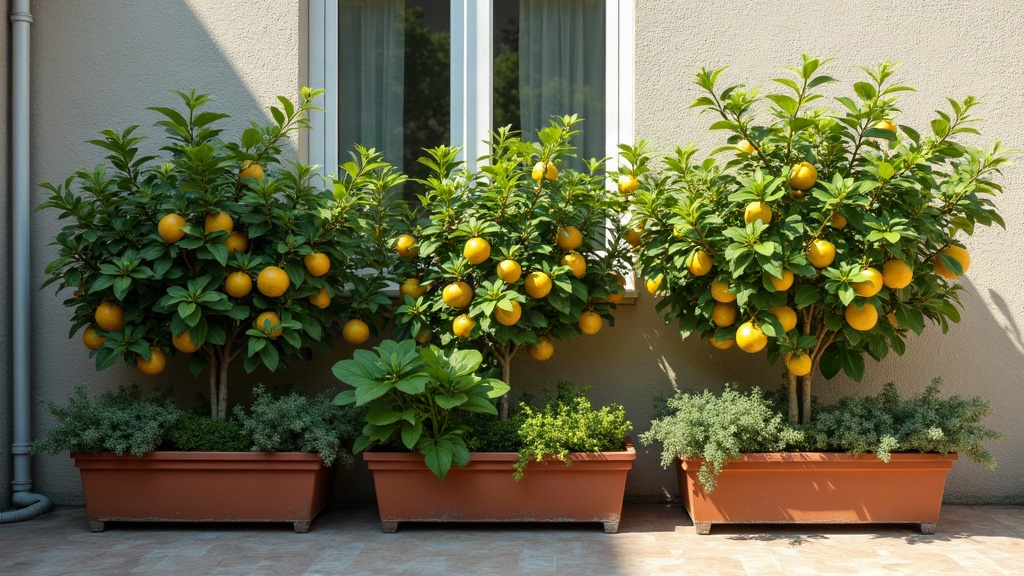
Espaliering a Meyer Lemon Tree on an Apartment Balcony
Espaliering a Meyer lemon tree against an apartment balcony wall lets you grow fragrant, fruit-producing citrus in as little as two feet of depth. Instead of a bare stretch of concrete or stucco, you end up with a productive, ornamental living wall. The technique itself isn’t new, orchardists have flattened trees against walls for centuries, but pairing it with modern container gardening makes it surprisingly practical for small urban spaces that still want a real harvest, not just a decorative gesture.
Why Meyer Lemon Is the Best Choice for Espalier
Meyer lemons are compact by nature, close to thornless, and they handle pruning without sulking. That alone puts them miles ahead of standard varieties like Eureka or Lisbon, which tend to throw long, thorny, unruly growth the moment you try to shape them. A few other things working in Meyer’s favor:
- In warm climates, they’ll flower and fruit more than once a year, sometimes two or three flushes
- Grafted onto dwarfing rootstock, they stay smaller and denser, which suits a flat training frame
- They shrug off the reflected heat and gusty wind you get on most balconies
- Even half-trained, a young Meyer will often still set fruit, something most espalier subjects won’t do until fully established
Choosing the Right Wall and Container Setup
Wall Orientation
Pick a south- or west-facing wall if you can. Meyer lemons want 8+ hours of direct sun, and a north-facing wall in a temperate climate simply won’t push out enough flowering wood, you’ll get leaves and not much else.
Container Specifics
- Go with at least a 15-20 gallon container, and make sure it has multiple drainage holes, not just one
- Terracotta or fabric grow bags breathe better than plastic; this cuts down on root rot, which is the single most common way balcony citrus dies
- Set the container on a wheeled plant caddy. You’ll want to rotate it for even light exposure and drag it indoors fast when frost threatens
Mounting the Trellis System
Most rental balconies won’t let you drill into the wall, so build a freestanding espalier frame instead:
- Two vertical posts bolted into heavy-duty planters
- Horizontal wires spaced 12-15 inches apart, kept taut with turnbuckles
- If you actually own a masonry wall, galvanized eye-screws with 12-gauge wire do the job nicely
Training the Tree Step by Step
- Start with a young whip, ideally 1-2 years old with flexible new growth. An older, woody tree will fight you at every bend.
- Establish the leader. Tie the central stem loosely to the lowest wire with soft plant tape (never wire, which can girdle the trunk as it thickens).
- Choose your scaffold branches. At each wire level, pick a pair of side shoots and tie them out at roughly 45-60 degrees. Lower them gradually, over several weeks, until they sit horizontal.
- Pinch out competing growth. Any shoot shooting straight out from the wall, or crossing another branch, gets pinched back to two leaves. Do this regularly, not just once a season.
- Repeat the process each year as the tree grows, adding new horizontal tiers. Most balcony setups end up with 4-6 tiers before reaching the desired height.
Pruning Calendar for Fruit Production
- Late winter: Cut out dead or crossing wood, shape the new leaders
- Spring (after flowering): Thin fruit clusters down to 1-2 lemons each so the remaining fruit can size up properly
- Summer: Pinch back vigorous vertical “water sprouts” on a weekly basis, they pop up fast
- Fall: Light shaping only. Heavy cuts now trigger soft new growth that frost will kill off
Feeding, Watering, and Pest Watch
- Feed every 4-6 weeks during active growth with a citrus-specific fertilizer (higher nitrogen, plus iron and zinc)
- Water deeply once the top 2 inches of soil dry out. Espaliered trees sitting in shallow soil against a warm wall dry out noticeably faster than a freestanding potted citrus would
- Keep an eye out for scale insects and spider mites. The still air against a wall is practically an invitation for them. Wipe the leaves down monthly and treat with horticultural oil the moment you spot trouble
Common Mistakes to Avoid
- Tying too tight: The trunk needs room to grow. Re-tie every 2-3 months, no exceptions
- Ignoring reflected heat: A wall can bounce back enough afternoon sun to scorch leaves. In hot climates, stick to light-colored or partly shaded walls
- Overwatering in winter: A dormant-ish citrus tree in the cooler months needs a fraction of the water it drank all summer
Conclusion
An espaliered Meyer lemon turns a narrow balcony wall into something closer to a small citrus grove, fragrant blossoms, visible fruit, and none of the floor space a regular tree would demand. It takes patience: a steady training routine, pruning on schedule, and real attention to container size and watering. Do that consistently and most growers get a first meaningful harvest within two to three years, with a fully mature, fruit-covered wall by year five. The payoff isn’t just lemons on the counter, it’s one of the more striking things you can build in an apartment garden, full stop.