Self-Watering Planters vs. Fabric Grow Bags for South-Facing Balconies
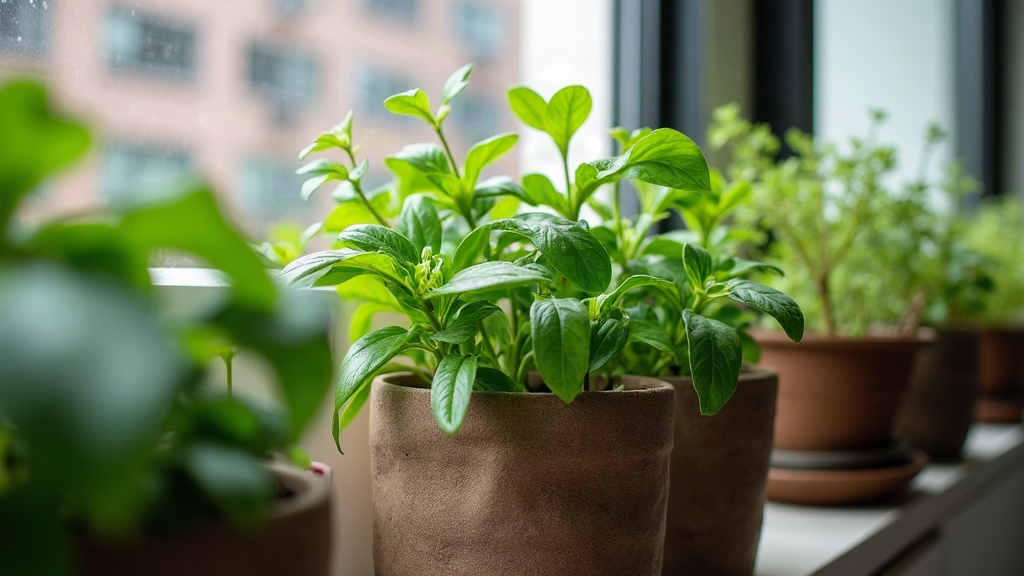
South-facing balconies soak up more sun than any other exposure, often 6 to 10-plus hours a day. Great for growth, brutal for moisture retention. Your containers dry out fast, and your plants sit right on the edge of heat and drought stress most of the summer. Two solutions dominate this conversation: self-watering planters and fabric grow bags. They tackle the problem from opposite directions. Self-watering planters keep a reservoir of water on hand to buffer against evaporation. Fabric grow bags do the opposite: they breathe heavily, cooling roots through constant airflow, but that same airflow means you’re watering far more often. Which one wins depends on your schedule, what you’re growing, and just how punishing your balcony’s heat actually gets.
Why South-Facing Balconies Are a Special Case
A shaded patio or a north-facing ledge plays by different rules. A south-facing balcony basically turns into a mini greenhouse:
- Soil in dark plastic pots can run 10-15°F hotter than the surrounding air.
- Wind and heat bouncing off walls or glass railings pull moisture out of the soil faster than you’d expect.
- During a heatwave, a small container can go from moist to bone-dry in under a day.
That’s why water retention and root temperature matter more here than on a shadier balcony. They’re not just nice-to-haves, they’re the deciding factors.
Self-Watering Planters: The Case For
Self-watering planters, sometimes called sub-irrigated planters or SIPs, hold a reservoir beneath the soil. The plant draws water up as it needs it, through wicking action.
Pros for south-facing balconies:
- A full reservoir can carry a plant for 3-7 days, depending on size and heat, which takes the daily watering pressure off your shoulders.
- Steadier moisture means fewer cases of blossom-end rot in tomatoes and peppers, a problem that often traces back to inconsistent watering under strong sun.
- If you travel a lot or you’re the type who forgets to water on a scorching Tuesday afternoon, this is your safety net.
Cons:
- Reservoirs don’t flush out salts or fertilizer residue the way top-watering naturally does. You’ll need to do a deep flush every so often.
- If the overflow holes clog, or if you plant something that hates wet feet (lavender, rosemary), root rot becomes a real risk.
- They cost more up front, usually $15 to $40 a pot versus $5 to $15 for a grow bag.
Best for: tomatoes, peppers, cucumbers, leafy greens, and moisture-loving herbs like basil and mint. Also a good match for anyone who waters on a loose, infrequent schedule.
Fabric Grow Bags: The Case For
Fabric grow bags are breathable, felt-like containers. They air-prune roots instead of letting them circle the pot, which builds a denser, healthier root system over time.
Pros for south-facing balconies:
- The fabric “sweats,” releasing excess heat and moisture, which keeps roots from cooking or suffocating.
- Light and foldable, a real advantage if your balcony has weight limits or you move apartments often.
- Drainage is excellent, so root rot is nearly a non-issue, even if the weather turns unpredictable.
- Cheap, and they come in nearly every size, from 3-gallon bags for herbs to 20-gallon bags for dwarf fruit trees.
Cons:
- They dry out fast, sometimes needing water once or twice a day at the peak of summer.
- After 2 to 4 seasons of constant UV exposure (which a south-facing spot delivers in spades), the fabric starts to fade and break down.
- It’s harder to eyeball soil moisture through fabric, so a lot of gardeners end up overwatering just to ease their own nerves.
Best for: potatoes, carrots, root vegetables, dwarf fruit trees, and gardeners who don’t mind checking in daily, or who’ve set up drip irrigation.
Head-to-Head Comparison
| Factor | Self-Watering Planters | Fabric Grow Bags |
|---|---|---|
| Watering frequency | Every 3-7 days | Daily or twice daily |
| Root health | Good, but rot risk if overflow clogs | Excellent (air-pruning) |
| Heat management | Reservoir buffers heat swings | Breathable, cools roots faster |
| Weight (empty) | Heavier, less portable | Lightweight, foldable |
| Cost | $15-$40 each | $5-$15 each |
| Lifespan | 5+ years (UV-stable plastic) | 2-4 seasons |
Can You Combine Both?
Plenty of experienced balcony gardeners do exactly that. Grow bags handle drought-tolerant plants and root crops well: potatoes, rosemary, thyme. Self-watering planters take care of the thirstier, sun-hungry vegetables like tomatoes, peppers, and cucumbers. Instead of forcing every plant into the same container type, this hybrid setup lets you match the container to what the plant actually needs.
Practical Tips for Either Option
- Go with light-colored containers, or wrap dark ones in something reflective, to keep the soil from overheating.
- Mulch the surface with straw, bark, or even pebbles. It slows evaporation no matter which container you’re using.
- Cluster your pots together. Grouped containers create their own pocket of shade and humidity, which cuts down on individual water loss.
- Set up a basic drip irrigation timer if you’re often away. It works with both container types and takes the guesswork out of daily watering.
Conclusion
On a south-facing balcony, the question was never really “which container is better.” It’s which one fits how you actually water and what you’re growing. Want fewer chores and you’re growing thirsty crops like tomatoes? Self-watering planters are the safer choice. Care more about root health, portability, and keeping costs down, and don’t mind a daily watering routine (or you’ve automated it with drip irrigation)? Fabric grow bags are hard to top. Honestly, a lot of the best balcony setups use both, matching each container to the right crop and getting the most out of even the harshest summer sun.