Why Container Carrots Split After Heavy Rain (And Fixes)
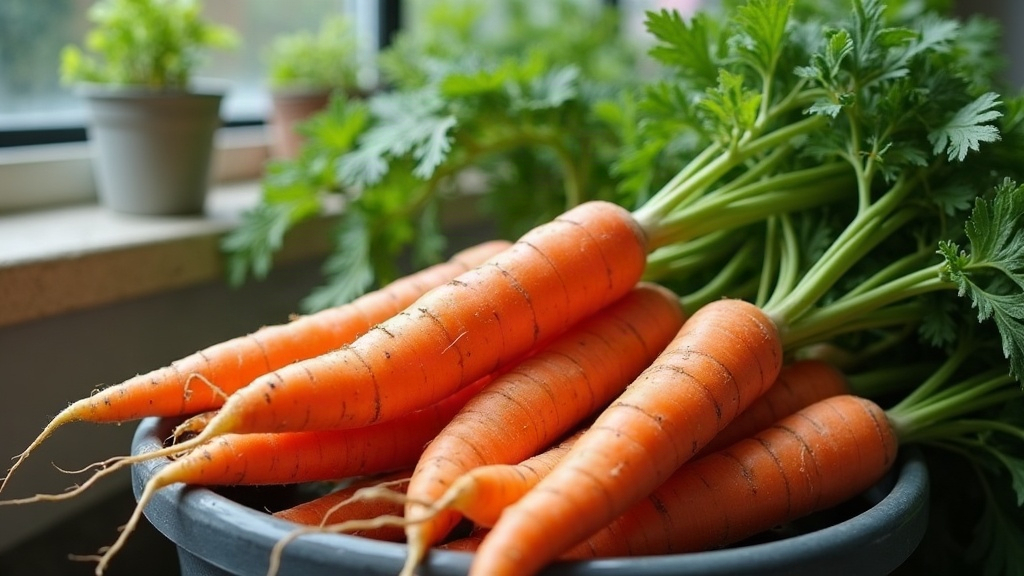
Container carrots split after heavy rain because the roots suddenly take in more water than their outer skin can handle. The skin can’t stretch fast enough, pressure builds up inside, and the carrot cracks lengthwise. You see this constantly in pots, far more than in garden beds, simply because containers hold less soil and drain differently. The frustrating part? It’s almost entirely preventable once you understand what’s actually happening and adjust your watering, soil, and container setup accordingly.
Why Splitting Happens in Containers Specifically
A carrot growing in open ground taps into a huge reservoir of soil. That reservoir smooths out moisture swings naturally. A five-gallon grow bag or a terracotta pot on your patio doesn’t have that cushion.
- Smaller soil volume means water levels swing wildly between a dry week and a sudden downpour.
- Faster drainage (or, ironically, poor drainage in cheap plastic pots) leaves the root zone unpredictable.
- Root crowding makes carrots more reactive to pressure changes as they swell with absorbed water.
Picture this: your container has gone slightly dry for ten or twelve days, then a storm dumps an inch and a half of rain overnight. The root tissue expands fast, almost overnight. But the outer layer, toughened up during that dry stretch, can’t keep pace. It splits, usually starting at the top and working down, sometimes all the way through the carrot.
The Science Behind the Crack
Think of a carrot root as a bundle of water-storing cells wrapped in a skin. When soil moisture drops, those cells shrink a bit and the skin hardens as a kind of defense mechanism. Then heavy rain hits and reverses all of that in a matter of hours: the cells rehydrate, swell, and push outward, but the hardened skin has already lost its stretch. Something has to give. Sometimes that’s a hairline crack a few millimeters long. Other times it’s a full split that leaves you with two carrot halves.
Worth noting: this isn’t the same as forking, which usually comes from rocks, compacted soil, or a damaged root tip early on. Splitting is purely a moisture problem, not an obstruction problem.
How to Prevent Carrot Splitting in Pots
1. Keep Moisture Consistent, Not Just Adequate
The real fix isn’t “water more.” It’s breaking the dry-then-flood cycle entirely.
- Water container carrots 2-3 times a week under normal conditions, aiming for evenly moist soil, not waterlogged, not bone-dry.
- Do the finger test: push a finger 2 inches into the soil. Dry down there? Water before the forecasted storm arrives, not after.
- If a dry spell is lingering and rain is predicted in a day or two, give the pot a light watering now rather than letting it bake completely and then get hit all at once.
2. Improve Container Drainage
Water sitting around the roots after a storm just prolongs the oversaturation, and that’s exactly when cracks form.
- Go with pots that have several drainage holes, not the single hole stamped in the center.
- Layer 1-2 inches of perlite or gravel at the bottom before adding soil.
- Lift containers onto pot feet or bricks so water actually drains away instead of collecting in a puddle underneath.
3. Choose the Right Soil Mix
Loose, well-draining soil absorbs and releases moisture gradually. Dense potting soil doesn’t; it holds water in clumps and releases it unevenly.
- Mix in 20-30% perlite or coarse sand with your potting mix.
- Skip heavy clay-based soils. They swell up dramatically after rain and stay soggy far too long.
- Compost helps with moisture retention, but add it in moderation so it doesn’t compact the mix.
4. Mulch the Soil Surface
A simple 1-inch layer of straw, shredded leaves, or fine bark mulch does two things at once: it slows evaporation between waterings and it softens the impact of sudden heavy rain, so the moisture spike at the root zone isn’t quite so abrupt.
5. Cover Containers During Unpredictable Storms
Watching the forecast and see a surprise downpour coming, right when your carrots are nearly at harvest size (the stage most prone to splitting, by the way)? Move the pots under a patio roof or throw a breathable tarp over them for a few hours. That alone can prevent the sudden soak that triggers cracking.
6. Harvest on Time
Carrots left in the ground past their prime have already maxed out their cell expansion, which makes them far more fragile. Check the days-to-maturity listed on your seed packet, and once the roots hit full size, pull them. Don’t wait around, especially with rain in the forecast.
What To Do With Split Carrots
Here’s the relief: split carrots are completely fine to eat. The crack is cosmetic, not a sign of disease or rot on its own. Pull them promptly, cut away any soft or decaying spots, and use them within a few days rather than tucking them away for long-term storage. Cracks are basically an open door for decay organisms, so don’t push your luck with storage life.
Quick Checklist for Next Season
- Water evenly, 2-3 times a week, and never let the soil dry out completely
- Use loose, well-draining soil mixed with perlite or sand
- Add extra drainage holes and lift pots off the ground
- Mulch the surface to buffer sudden moisture swings
- Harvest on schedule, especially right before a storm rolls in
Conclusion
Boil it down and container carrot splitting after heavy rain is really just one problem wearing different masks: inconsistent soil moisture. Water evenly, fix your drainage, loosen up your soil mix, and pull your carrots on time. Do those four things and cracked carrots become a rare exception, even during a season packed with unpredictable downpours.