How to Grow Shiso in Small Pots for Fresh Japanese Cooking
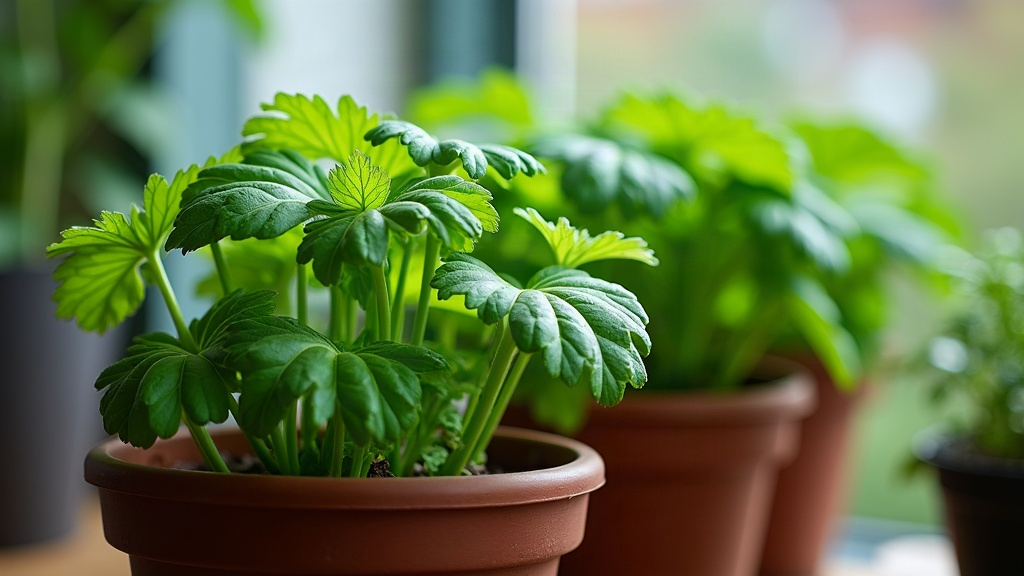
Shiso (you’ll also see it labeled perilla or ooba at the nursery) might be the most forgiving herb you can grow in a pot. Stick it on a sunny windowsill, a cramped balcony, or a patio corner and it’ll do just fine, no traditional Japanese garden required. The flavor is bold and distinctive, something between mint and cinnamon, and it shows up constantly in sushi, tempura, salads, and pickles. Grow your own and you skip the sad, wilted bundle at the grocery store that costs way more than it should.
Why Grow Shiso in Containers?
Here’s the thing about shiso: it doesn’t sprawl. Mint will take over an entire bed if you let it, but shiso grows upright in a neat little bush shape, which makes it a natural fit for small pots, window boxes, or a sunny spot on the kitchen counter. One healthy plant in a 10 to 12 inch pot can keep you stocked with leaves for weekly cooking all summer.
A few reasons container growing just makes sense here:
- Portability – drag the pot into better light, or pull it in before a frost hits.
- Pest control – slugs and aphids are a lot easier to spot (and squash) in a contained space.
- Space efficiency – works great for apartments, balconies, patios, anywhere square footage is tight.
- Fresh harvest on demand – snip what you need right before you cook, nothing sitting in the fridge going limp.
Choosing the Right Pot and Soil
Don’t let the “small herb” label fool you. Shiso’s root system goes deeper than you’d guess, so pot size actually matters here.
- Pot size: go at least 10 to 12 inches (25 to 30 cm) deep and wide. A smaller pot is fine for a seedling, but it’ll stunt the plant once it matures.
- Drainage: non-negotiable. Shiso hates sitting in wet soil, so make sure there are drainage holes.
- Soil mix: a rich, well-draining potting mix with some compost mixed in works well. Shoot for a pH around 6.0 to 6.5, slightly acidic to neutral.
Starting Shiso from Seed or Seedling
From Seed
- Soak the seeds overnight first, it really does help germination.
- Sow them about ¼ inch deep in moist potting mix.
- Keep the soil consistently damp, somewhere around 70 to 75°F (21 to 24°C).
- Expect germination in 10 to 14 days. Shiso seeds need light to sprout, so resist the urge to bury them deep.
From Nursery Starts
Short on patience? Grab a young shiso plant from a garden center or an Asian specialty nursery and transplant it straight into your container with fresh soil. You’ll be harvesting weeks sooner than if you started from seed.
Light, Water, and Temperature Needs
- Sunlight: aim for 4 to 6 hours a day. It’ll tolerate partial shade too, which is actually a plus in hot climates where harsh afternoon sun can scorch the leaves.
- Watering: keep the soil evenly moist, never soggy. A simple trick: poke a finger into the top inch of soil, and if it’s dry, water.
- Temperature: shiso likes it warm, 65 to 85°F (18 to 29°C), and it has zero tolerance for frost. Bring the pots inside before that first cold night hits.
Feeding and Maintenance
Shiso isn’t a heavy feeder, but it does appreciate a boost. A balanced liquid fertilizer (10-10-10) every 3 to 4 weeks during the growing season does the trick. Go easy on nitrogen, though, too much and you’ll end up with lush leaves that taste watered-down instead of punchy and aromatic.
Pinching for Bushier Growth
Once the plant hits 6 to 8 inches tall, pinch off the growing tip at the top. That one small snip tells the plant to branch out sideways instead of shooting straight up, and you end up with a fuller, bushier plant with way more leaves to harvest, rather than one skinny, leggy stalk.
Harvesting Shiso Leaves
Once your plant has 6 to 8 mature leaves (usually around 6 to 8 weeks after planting), you’re good to start harvesting.
- Take the bigger outer leaves first and leave the center alone so it keeps producing.
- Morning harvests are best, that’s when the essential oils (and the flavor) are most concentrated.
- Don’t hold back on pruning. Regular harvesting actually pushes the plant to grow more leaves, not fewer.
- Pinch off flower buds the moment you spot them. Once shiso flowers, the leaves turn bitter and growth slows way down.
Common Problems and Solutions
| Problem | Likely Cause | Fix |
|---|---|---|
| Yellowing leaves | Overwatering | Let soil dry slightly between waterings |
| Leggy, weak stems | Insufficient light | Move to a sunnier spot or use a grow light |
| Holes in leaves | Slugs or caterpillars | Handpick pests, use organic neem spray |
| Bitter flavor | Plant has flowered | Pinch buds early and harvest regularly |
Using Fresh Shiso in the Kitchen
Once you’ve got a steady supply, the uses pile up fast:
- Wrap raw fish or rice in it for sushi and temaki.
- Chop it fine and stir into salad dressings or dipping sauces.
- Dip whole leaves in a light tempura batter and fry.
- Muddle a leaf or two into a cocktail for an herbal twist nobody expects.
- If you’ve got the red shiso variety, use it for umeboshi (pickled plums) or as a natural pink dye.
Conclusion
Growing shiso in a small pot is about as low-effort, high-reward as container gardening gets, especially if you’re into Japanese cooking. Get the pot size right, water consistently, give it decent sun, and harvest often, and a single plant will keep you in fresh, aromatic leaves for months. Sushi night, a tempura craving, or just a fragrant garnish on something simple, homegrown shiso delivers that restaurant-fresh quality straight from your windowsill.