Growing Dwarf Blueberries in Acidic Pots on a Shaded Balcony
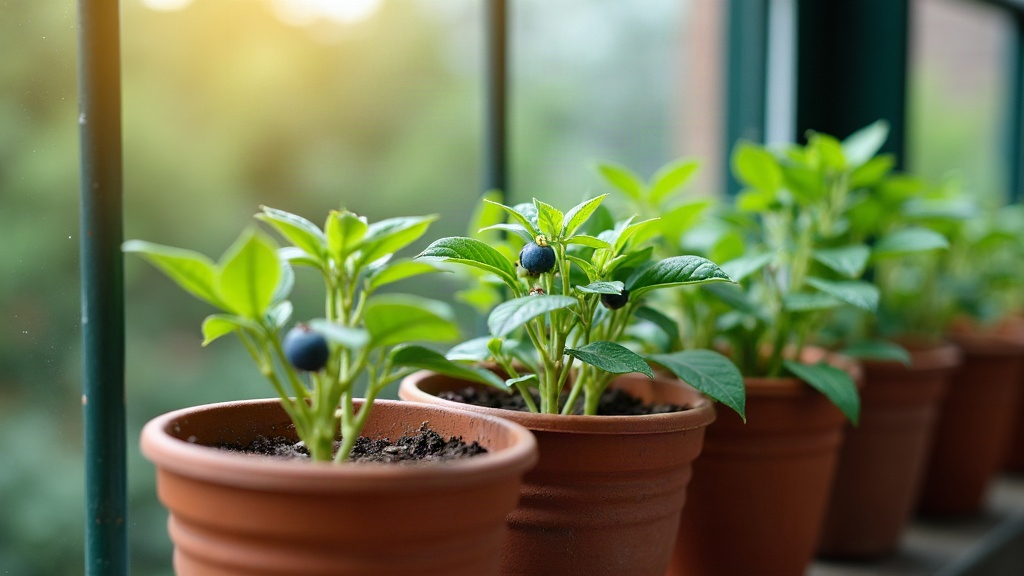
Growing dwarf blueberries in acidic pots on a partly shaded balcony isn’t just possible, it’s become something of a quiet trend among city dwellers who don’t have a sunny backyard to work with. Pick the right compact variety, get your soil acidity dialed in, and water consistently, and you’ll end up with sweet, homegrown berries even if your balcony only catches a few hours of light a day. Here’s everything you need, from picking a cultivar to fixing the problems that inevitably crop up.
Why Dwarf Blueberries Work Well in Containers
Dwarf blueberry varieties exist precisely because not everyone has a sprawling garden bed. Standard highbush blueberries shoot up to 5 or 6 feet, which is a lot of plant for a small balcony. Dwarf cultivars, by contrast, usually top out around 2 to 3 feet, so they fit comfortably into pots on patios, courtyards, or cramped apartment balconies.
A few dwarf varieties worth considering:
- Top Hat – compact, 18-24 inches tall, handles partial shade reasonably well
- Sunshine Blue – semi-dwarf, more shade-tolerant than most, with pretty pink-to-white blossoms
- Jelly Bean – developed specifically for container growing, sweet berries, holds up in cold winters
- Peach Sorbet – ornamental foliage, stays at 1-2 feet, adapts to mixed lighting
What’s encouraging is that these varieties still produce a decent harvest on just 4-6 hours of sun, well below the 8+ hours blueberries are typically said to need.
Understanding Partly Shaded Balcony Conditions
“Partly shaded” usually means 3-6 hours of direct or filtered sun each day. Blueberries can work with that, though a few trade-offs come along with it:
- Yields drop somewhat compared to full-sun plants
- Ripening slows down, sometimes by a week or two
- Heat stress is less of an issue, since shade keeps the soil from drying out as fast
East or north-facing balconies should lean into morning sun, it’s softer but still does the job for photosynthesis. South or west-facing spots that get partial shade from a building edge or railing tend to hit the sweet spot: enough light, but some protection from that harsh afternoon sun that can scorch leaves.
Creating the Right Acidic Soil Mix
Here’s the non-negotiable part: blueberries need soil in the 4.5 to 5.5 pH range, which is considerably more acidic than what most plants want. Don’t bother with regular potting soil or garden soil straight from the yard; it just won’t cut it.
DIY Acidic Potting Mix Recipe
- 2 parts peat moss or coco coir (this is your acidic base)
- 1 part pine bark fines
- 1 part perlite or coarse sand, for drainage
If mixing your own sounds like too much hassle, garden centers sell pre-mixed “azalea, camellia, and blueberry” potting soil that’s already balanced to the right pH.
Maintaining Acidity Over Time
- Check soil pH every 2-3 months using a cheap pH meter (they run about $10-15)
- Use fertilizers marketed for “acid-loving plants,” the same ones sold for azaleas and rhododendrons
- If pH starts creeping up, water occasionally with diluted white vinegar, roughly 1 tablespoon per gallon
- Skip tap water if yours is mineral-heavy; rainwater, if you can collect it, is far better for these plants
Choosing the Right Pot
- Go with at least a 16-18 inch diameter pot, and make sure drainage holes are actually adequate, not just decorative
- Unglazed terracotta or fabric grow bags breathe well and help avoid waterlogged roots
- Lift the pot onto feet or small risers so water drains freely and doesn’t stain or rot your balcony floor
Watering and Fertilizing
Blueberry roots are shallow, which means the plant is sensitive to both drying out and sitting in water.
- Aim for soil that’s consistently moist, never soggy
- In summer, check moisture daily, container soil dries out much faster than an in-ground bed
- Apply a slow-release acid fertilizer in early spring, then a lighter feeding in early summer
- Hold off on high-nitrogen feeds late in the season; they push growth at the wrong time and delay dormancy
Pruning and Winter Care
- Prune in late winter, cutting out dead, crossing, or weak branches
- Dwarf varieties don’t need much pruning, mostly just light shaping and clearing out unproductive wood
- In cold climates, once temperatures dip below 20°F (-6°C), move pots somewhere sheltered, against a wall, wrapped in burlap. Container roots are far more exposed to cold than roots growing in open ground
Common Problems and Fixes
| Problem | Likely Cause | Fix |
|---|---|---|
| Yellowing leaves with green veins | Iron deficiency from high pH | Apply chelated iron, re-acidify soil |
| No fruit despite flowers | Poor pollination | Hand-pollinate with a small brush, or add a second variety |
| Leaf scorch | Too much direct afternoon sun | Move pot to filtered light |
| Stunted growth | Root-bound pot | Repot into larger container every 2 years |
Harvesting Tips
Berries are ready when they’ve turned fully blue and come off with a gentle twist, no tugging required. Don’t trust color alone, though. Taste a few first, since berries often look ripe days before they actually hit peak sweetness. During peak season, check back every 3-5 days so you catch them at their best.
Final Thoughts
A partly shaded balcony is no excuse to skip blueberries. Pick a compact, shade-tolerant variety, keep the soil properly acidic, and stay on top of watering and feeding, and the rest largely takes care of itself. Give it a season or two of patience, and that small balcony corner can keep you in fresh, homegrown berries year after year.