Determinate vs Indeterminate Cherry Tomatoes for Balcony Pots
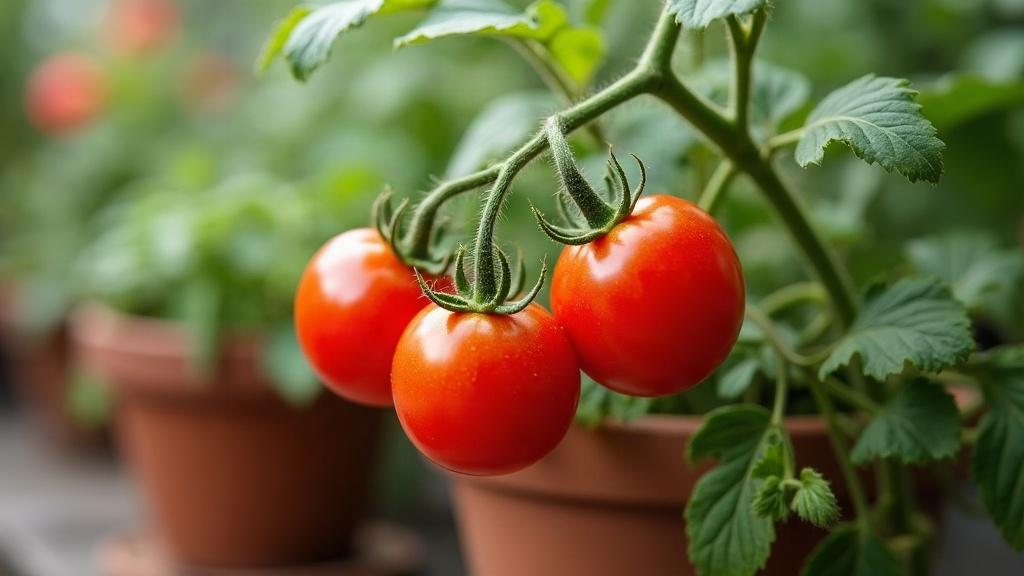
Choosing between determinate and indeterminate cherry tomatoes for your balcony pots really comes down to one question: do you want a compact plant that fruits all at once, or a sprawling vine that keeps churning out tomatoes all season long? Determinate varieties stay bushy and short, so they’re happy in small pots with minimal staking. Indeterminate varieties grow tall, demand sturdy support, and pay you back with a steady harvest from summer right through to the first frost. Figure out this difference before you buy seeds or seedlings, and you’ll dodge a lot of headaches later: overcrowded pots, stems collapsing under their own weight, or a sudden flood of tomatoes followed by… nothing.
What Determinate and Indeterminate Actually Mean
These two terms describe a tomato plant’s growth habit, not its flavor or fruit size. People mix this up constantly.
- Determinate tomatoes grow to a predetermined, compact height (usually 2 to 4 feet), stop growing once flower clusters form at the top, and dump most of their fruit within a 2 to 3 week window. Think of them as “bush” tomatoes.
- Indeterminate tomatoes keep growing taller and keep producing new flower clusters until frost or disease finally shuts them down. Left unsupported, they can reach 6 to 10 feet, behaving more like a vine than a tidy garden plant.
Most heirloom cherry tomatoes (Sun Gold, Black Cherry) are indeterminate. Many hybrid “patio” cherry varieties, on the other hand, are bred specifically to stay determinate.
Why This Matters for Balcony Growing
Balconies come with real constraints: limited floor space, weight limits, wind exposure, and often nothing solid to anchor a tall stake to. These factors make the determinate/indeterminate choice matter a lot more than it would for someone gardening in open soil.
Space and Pot Size
- Determinate cherry tomatoes (think ‘Tumbling Tom’, ‘Tiny Tim’, ‘Patio Choice’) do well in 5 to 10 gallon pots, even hanging baskets. Their compact root systems and contained growth make them a natural fit for tight balconies.
- Indeterminate cherry tomatoes (‘Sun Gold’, ‘Sweet Million’) need bigger containers, at least 15 to 20 gallons, to support their sprawling root systems and months of growth.
Support Structures
Indeterminate plants need tall stakes, trellises, or cages (5 to 6 feet), and they need to be anchored firmly. A gust of wind can topple an unsupported vine once it’s loaded with fruit, and balconies catch wind in ways ground-level gardens rarely do. If your balcony has no room for a tall cage, or you simply can’t drill into the railings, determinate varieties are the safer, lower-maintenance bet.
Harvest Timing and Yield
- Determinate: a concentrated harvest. Great if you want to batch-make sauces, salsas, or preserves all at once, or if your growing season is short.
- Indeterminate: a steady trickle of ripe cherry tomatoes every few days, all summer. Perfect for snacking, salads, and fresh eating without ever drowning in a glut.
Pros and Cons at a Glance
Determinate cherry tomatoes
- ✅ Compact, suits small pots and tight balconies
- ✅ Less pruning and staking needed
- ✅ Earlier, concentrated harvest
- ❌ Shorter overall fruiting window
- ❌ Fewer total tomatoes per plant over the season
Indeterminate cherry tomatoes
- ✅ Continuous harvest from early summer to frost
- ✅ Generally higher total yield per plant
- ✅ Many of the sweetest, most popular cherry varieties (Sun Gold) are indeterminate
- ❌ Needs larger pots, taller support, and regular pruning
- ❌ Can get unwieldy in windy or small spaces
Practical Tips for Balcony Success
- Match pot size to growth habit. An undersized pot stunts an indeterminate plant and, with inconsistent watering, often triggers blossom-end rot.
- Use self-watering containers. Both types need steady moisture, but indeterminate plants with their bigger root systems will dry a pot out faster, sometimes within a day in hot weather.
- Prune suckers on indeterminate varieties to keep the plant manageable and let air move through, which matters a lot in a cramped balcony corner.
- Check your wind exposure. Balconies on higher floors often catch stronger gusts. Determinate or dwarf varieties shrug this off better than tall vines.
- Consider a hybrid approach: one determinate pot for an early, reliable harvest, one indeterminate pot for season-long snacking, if you’ve got room for two.
Which Should You Choose?
Small balcony, windy corner, prefer low-maintenance plants with a predictable payoff? Go determinate. Got a larger balcony, sturdy railings you can actually anchor a cage to, and want cherry tomatoes trickling in all summer? Indeterminate varieties, especially a classic like Sun Gold, are worth the extra pot size and staking effort.
Conclusion
There’s no single “better” option here, only the better fit for your balcony’s size, sun exposure, and how you plan to use what you grow. Determinate cherry tomatoes give you convenience and compactness. Indeterminate types give you abundance and a longer stretch of flavor. Take an honest look at your container space and what you can realistically support, and you’ll end up with a plant that actually thrives on your balcony instead of fighting it all season.