Saving Overwintered Geranium Cuttings in a Low-Light Apartment
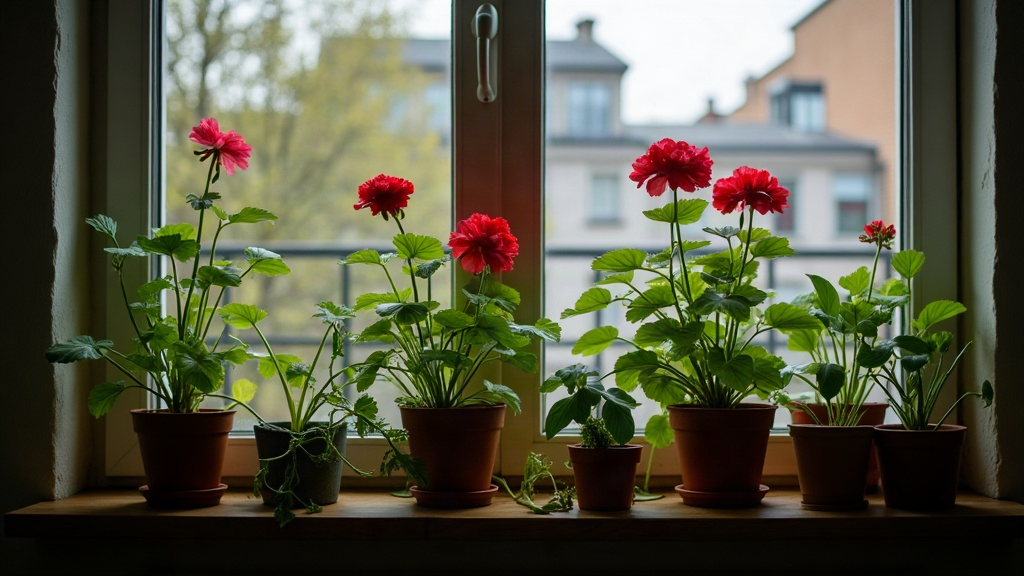
Saving overwintered geranium cuttings in a low-light city apartment? Absolutely doable. You just need to nail three things: keep moisture in check, make up for weak light, and keep roots warm enough to stay active, but not so warm (or wet) that they rot. Geraniums (Pelargonium) are tougher than people give them credit for, but cuttings taken in fall need more babysitting than a mature potted plant, simply because their root systems are tiny and can swing from bone-dry to waterlogged in a matter of days.
Why Apartment Light Is the Real Challenge
Most apartments, especially the ones facing north or east, get nowhere near the light geraniums actually want. Outdoors, these plants soak up 5-6 hours of direct sun without blinking. Indoors in January, you might be looking at two hours of weak, indirect light filtering through glass that’s already stripping out a chunk of the UV and intensity before it even reaches the leaves.
How do you know your cuttings are starved for light? Watch for:
- Long, leggy stems stretching toward the window like they’re trying to escape
- Pale or yellowing lower leaves
- Weeks going by with zero new growth
- Stems that feel soft and floppy instead of firm
If natural light just isn’t cutting it, grab a small LED grow light, even a clip-on 10-15W full-spectrum bulb will do, and run it 10-12 hours a day, positioned 6-12 inches above the cuttings. This one change alone has saved plenty of cuttings that were otherwise circling the drain.
Getting Cuttings Rooted Before Winter Sets In
Starting in early fall? Take 4-6 inch tip cuttings from healthy stems that aren’t flowering. Let the cut end callus over, basically dry out a bit, for 24 hours before you stick it into a well-draining mix of perlite and potting soil. That one step alone wipes out a huge chunk of the rot failures people run into.
- Use a pot with drainage holes. Never a sealed container, no matter how cute it looks
- Keep the soil barely moist (not wet) until roots form, which usually takes 3-4 weeks
- Skip the plastic bags and humidity domes once cuttings are settled indoors long-term. City apartments already run humid from heating and cooking, and piling on more moisture just invites fungus to the party
Managing Water in Low Light
Honestly, this is where most apartment growers lose the battle. Low light slows down a plant’s metabolism, so it drinks water much more slowly than it would outside in summer. Watering on autopilot, say, every Sunday no matter what, is a recipe for disaster. Instead:
- Poke a finger 1-2 inches into the soil before you even think about watering
- Only water when that top layer is actually dry
- Cut your watering frequency roughly in half compared to summer habits
- Always dump out the saucer. Standing water in a dim, cool apartment is basically an invitation for root rot
Temperature and Placement Tips
Here’s a nice bit of good news: geraniums handle cool temps better than most tropical houseplants, which works in your favor if your apartment has drafty winter windows. Aim for:
- Daytime temps around 60-70°F (15-21°C)
- Keep cuttings off cold glass and away from heating vents, both extremes stress them out
- Give pots a quarter turn every few days so the plant grows evenly instead of leaning hard toward the light source
Dealing with Common Problems
Yellowing leaves: Nine times out of ten, it’s overwatering or not enough light. Rule those out before you start suspecting a nutrient deficiency.
No new growth for a month: Totally normal during the darkest stretch of winter (think December-January). Don’t reach for fertilizer here; it won’t speed anything up and can actually burn roots that are already weak.
Mold on the soil surface: Usually means airflow is poor. Run a small fan nearby for an hour a day, or crack a window for a few minutes on a milder afternoon.
Stretching and legginess: Once the cutting has 3-4 sets of true leaves, pinch the growing tip back. This pushes the plant toward bushier growth instead of one long, thin stem chasing the sun.
When to Expect Real Progress
Don’t hold your breath for vigorous growth until late winter or early spring, when daylight hours start stretching out again. Through the darkest months, your only real job is keeping the cutting alive and letting roots develop slowly, nothing more. Once February or March rolls around and days lengthen, you’ll notice a real jump in new leaves. That’s your signal to start light feeding again with a diluted, balanced fertilizer.
Conclusion
Getting geranium cuttings through a dim apartment winter really comes down to patience and holding back: water less than your instinct tells you to, add supplemental light where you can, and keep things on the cooler, moderate side temperature-wise. Fight the urge to “rescue” a struggling cutting with extra water or fertilizer, because in low light, doing less almost always beats doing more. Stick with it, and by spring you’ll have healthy plants ready to head back outside.