How to Protect Rail Planters From Sudden Spring Hailstorms
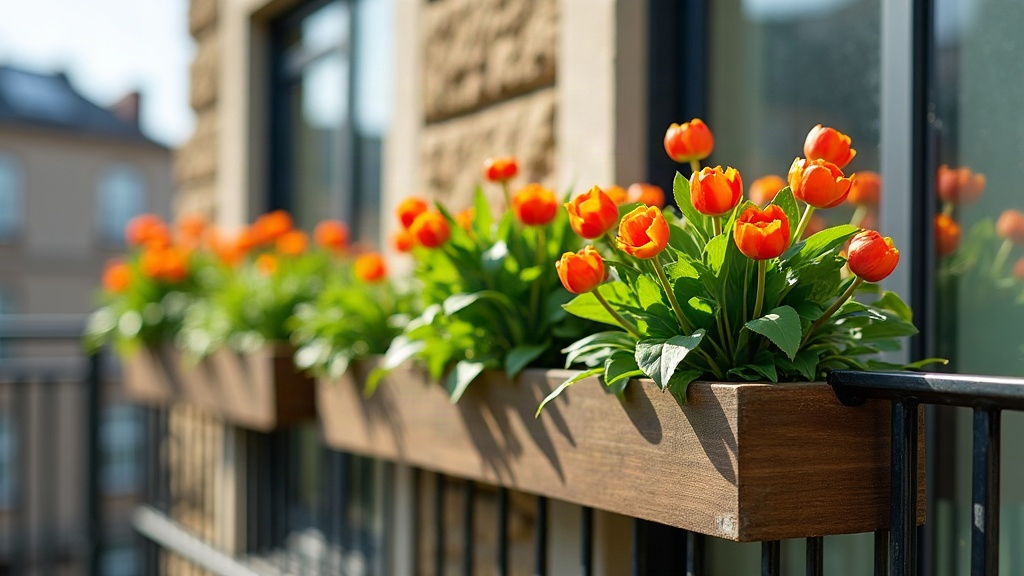
Spring hailstorms can shred tender leaves, snap stems, and wipe out weeks of growth in a matter of minutes. Rail planters get it worst of all. Perched up high on balconies or deck railings, fully exposed with nothing around them, they take the brunt of every storm that rolls through. Protecting them really comes down to three things: smart placement, covers you can throw on in seconds, and a storm routine you can run through in under five minutes flat.
Why Rail Planters Are So Vulnerable to Hail
Railing-mounted planters sit higher up and farther from walls than anything at ground level. That changes everything:
- No overhead shelter. A pot tucked under an eave gets some natural cover. A rail box usually has nothing but open sky above it.
- Wind-driven impact. Hail rarely drops straight down in a spring storm. Gusty winds push it sideways, right into exposed foliage at an angle most people don’t think to guard against.
- Shallow soil volume. Narrow rail boxes dry out and heat up fast. Stressed plants going into a storm take damage much harder than ones that were well-watered beforehand.
- Limited structural shielding. You can drag a potted plant into the garage. You can’t do that with something bolted or clipped onto a railing.
Once you understand how exposed these planters really are, building a realistic protection plan gets a lot easier.
Watch the Forecast, Not Just the Sky
Spring hail tends to show up with almost no visual warning. Get in the habit of checking a dedicated severe-weather app (not your generic weather widget) every morning from March through May. Specifically look for:
- “Severe thunderstorm watch/warning” alerts
- Hail-size predictions (even pea-sized hail will shred lettuce and herb seedlings in seconds)
- Wind gust warnings, since the angle of the wind is what actually determines how exposed your rail box is
Turn on push notifications. Most of the time, a 20-minute heads-up is enough to get everything covered before the first stones fall.
Fast, Reusable Hail Covers
A physical barrier you can deploy in seconds is still your best line of defense.
1. Frost cloth or garden fleece
Lightweight and breathable, this drapes over the planter and clips right to the rail. It won’t stop big hail, but it absorbs the hit from small-to-medium stones and keeps wind from whipping the leaves apart.
2. Rigid mesh or hail netting
One step up. Fine plastic or metal mesh stretched over a simple frame, even a bent wire hanger works in a pinch, keeps direct contact away from the foliage while still letting light and air through.
3. Clear plastic storage bins or tubs
For small or recently transplanted seedlings, just flip a clear tub over the whole planter during a short, violent burst of hail. Pull it off the moment the storm passes though, or you’ll cook the plants underneath.
4. Custom-fit planter covers
If hail is a recurring headache in your area every spring, it’s worth buying a cover fitted to your exact planter size. Most are made from UV-stable polyethylene and fold flat for storage when you’re not using them.
Tip: Keep 2-3 clips or bungee cords attached to the rail permanently. You don’t want to be hunting for fasteners while hail is already hitting the leaves.
Positioning Tricks That Reduce Exposure
- Move planters to the leeward side of the building if your rail system allows it. That alone blocks most of the wind-driven hail.
- Group pots together near a wall or under an overhang once storm season starts. A planter sitting alone out in the open always takes the worst beating.
- Lower the rail height if your brackets are adjustable, so planters sit closer to a wall line or the balcony floor where there’s at least partial shelter.
- Choose a partially shaded spot for the season if your balcony sees regular spring storms. Plants grown in partial shade tend to develop tougher, more hail-resistant foliage than the soft, fast growth you get from full sun.
Choosing Hail-Resistant Plants for Rail Boxes
Some plants just handle a beating better than others:
- Succulents and sedums: thick, waxy leaves that resist bruising.
- Ornamental grasses: flexible blades that flex and shrug off impact instead of tearing.
- Herbs like rosemary and thyme: woody stems and small leaves hold up far better than soft basil or lettuce.
- Marigolds and zinnias: petals get torn up but these recover fast and keep blooming anyway.
Skip the large-leafed annuals (caladiums, begonias) in hail-prone areas unless you’re genuinely willing to cover them every single time a storm rolls in.
After the Storm: Quick Recovery Steps
- Pull covers off right away once the hail stops. Leave them on too long and you’ll get heat buildup and rot instead.
- Trim shredded or broken foliage within 24 hours. Damaged leaves are basically an open invitation for fungal disease.
- Check the soil surface. Hail impact crusts it over; gently loosen the top inch so water and air can actually get through.
- Water lightly if the soil got displaced, but don’t overdo it. Roots that are already stressed don’t need extra saturation on top.
- Inspect brackets and rail clips. Wind and hail work hardware loose over time, and you don’t want to find that out the hard way.
Conclusion
Keeping rail planters safe from a sudden spring hailstorm really comes down to preparation. Check severe weather daily, keep a cover within arm’s reach, position your planters to dodge the worst wind angles, and lean toward resilient plant varieties where you can. Get that five-minute response routine down, and a hailstorm that could’ve wrecked your container garden turns into little more than a minor annoyance.