How to Diagnose Salt Burn on Balcony Herbs After Fertilizer Overuse
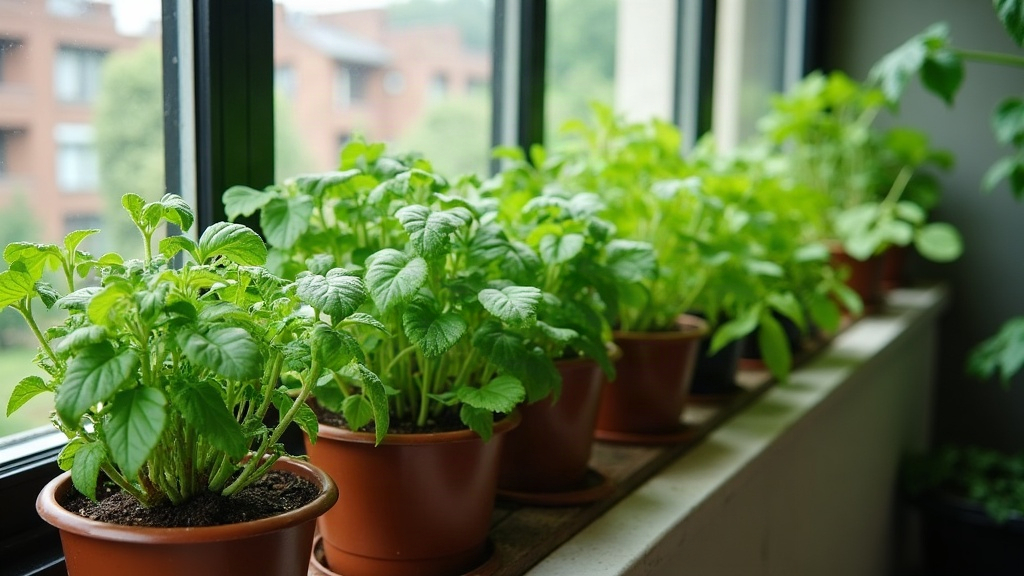
If your balcony basil, mint, or rosemary has suddenly turned on you (crispy brown tips, a chalky white crust sitting on top of the soil, new growth that just won’t take off) you’re probably looking at salt burn, not some mysterious disease. It happens when excess mineral salts build up in the soil and start pulling moisture out of roots and leaf cells instead of letting it in. Dehydration, basically, dressed up to look exactly like underwatering or drought stress. The reassuring part? You can usually diagnose it with a quick visual check, and most plants bounce back within one to two weeks.
What Salt Burn Actually Is
Here’s the thing about fertilizer, whether it’s synthetic granules, a liquid feed, or one of those “all-natural” concentrates: at the chemical level, it’s salt. Apply it too often, too strong, or without enough plain water in between, and those salts pile up in the pot faster than the plant can use them or the water can rinse them out. Eventually the soil solution gets saltier than the fluid inside the root cells. Osmosis then does something cruel: it pulls moisture out of the roots rather than in, even when the soil still feels damp to your finger.
Balcony herbs in containers get hit especially hard, for a few reasons:
- Pots hold a small volume of soil, so salts concentrate fast, way faster than in a garden bed.
- Balconies rarely get the heavy rain that naturally flushes outdoor soil.
- New gardeners, excited to see basil and mint take off, tend to feed more than the plant actually needs.
Key Symptoms to Check
Work through these signs one by one. Salt burn almost never shows up as a single symptom; you’re looking for a cluster of two or three together.
1. Leaf Tip and Margin Scorch
The classic tell: browning or blackening that starts right at the tip and edges of the leaf, then slowly spreads inward. Compare this to a fungal spot, which looks like a random blotch in the middle of the leaf. Salt burn margins tend to be dry, crispy, and oddly symmetrical, mirrored on both sides of the leaf.
2. White or Crusty Soil Surface
Tilt the pot toward a window or lamp and look closely. A pale, crusty film on the topsoil, or crusted rings around the drainage holes, is mineral residue left behind as water evaporates and salts stay put. If you’ve fertilized in the past 2-3 weeks, this pretty much confirms it.
3. Wilting Despite Moist Soil
Leaves drooping while the soil underneath is clearly wet? That’s your red flag. Drought stress and salt stress look nearly identical from above, but here’s the catch: salt-stressed soil won’t respond to extra watering the way dry soil does. You need an actual flush (details below), not just a top-up.
4. Stunted or Slowed New Growth
New leaves come in smaller, paler, maybe a little twisted. Parsley and cilantro are notoriously touchy about this and will sometimes just stop pushing out new shoots altogether, almost like they’ve gone on strike.
5. Root Discoloration
If you can carefully slide the plant out of its pot, take a look at the roots. Healthy herb roots are white to light tan. Salt-damaged roots often turn brown, go soft and mushy, or look stubby and blunt at the tips.
Quick Diagnostic Checklist
- Fed within the last 3 weeks?
- White crust on soil or pot rim?
- Tip/edge burn (not random spots)?
- Wilting with moist soil?
- Slow or distorted new growth?
Check off three or more and you’re almost certainly dealing with salt burn, not pests, disease, or simple neglect.
How to Confirm It’s Not Something Else
Worth ruling out the usual suspects before you start treating:
- Underwatering: soil feels bone-dry, not moist, and the wilting perks back up fast once you water.
- Fungal leaf spot: spots scattered randomly across the leaf, often ringed with yellow halos, nothing confined to just the tips or edges.
- Pest damage: flip the leaves over and check for webbing, sticky honeydew residue, or actual bugs crawling around.
Fixing Salt Burn: The Flush Method
- Stop fertilizing right away. Give the plant a real break, 4 to 6 weeks minimum.
- Flush the soil. Run plain water through the pot slowly, roughly 2-3 times the pot’s total volume, letting it drain completely between pours. Do this 2-3 times over the course of a day.
- Trim off the damaged foliage so the plant can put its energy into new, healthy growth instead of trying to repair dead tissue.
- Repot if the crust is bad. Sometimes it’s just quicker to start over with fresh, fast-draining mix than to keep flushing an old, compacted pot that’s basically saturated.
- Ease back into feeding. Dilute liquid fertilizer to half strength, and don’t feed more than once every 3-4 weeks for balcony herbs. They need less than most people assume.
Preventing Future Salt Burn
- Stick to the label’s dilution rate exactly. “Just a little extra for good measure” is the single most common mistake people make.
- Water herbs well before fertilizing, never on dry soil. Feeding into parched soil is basically asking for salt buildup.
- Use pots with generous drainage holes and a well-draining mix, not something that holds water like a sponge.
- Flush the container with plain water once a month during the growing season, even if nothing looks wrong yet. Think of it as routine maintenance, not damage control.
Conclusion
Salt burn on balcony herbs comes down to one simple imbalance: fertilizer building up faster than the plant can absorb it or the water can rinse it away. Catch it early (crispy tips, that telltale white crust, wilting on soil that’s clearly damp) and a simple flush can stop things before the roots take permanent damage. Ease up on the feeding, flush the soil on a regular schedule, and your basil, mint, and parsley should be back to full, fragrant growth within a few weeks.