Winter Care for Potted Fig Trees on Frost-Prone Balconies
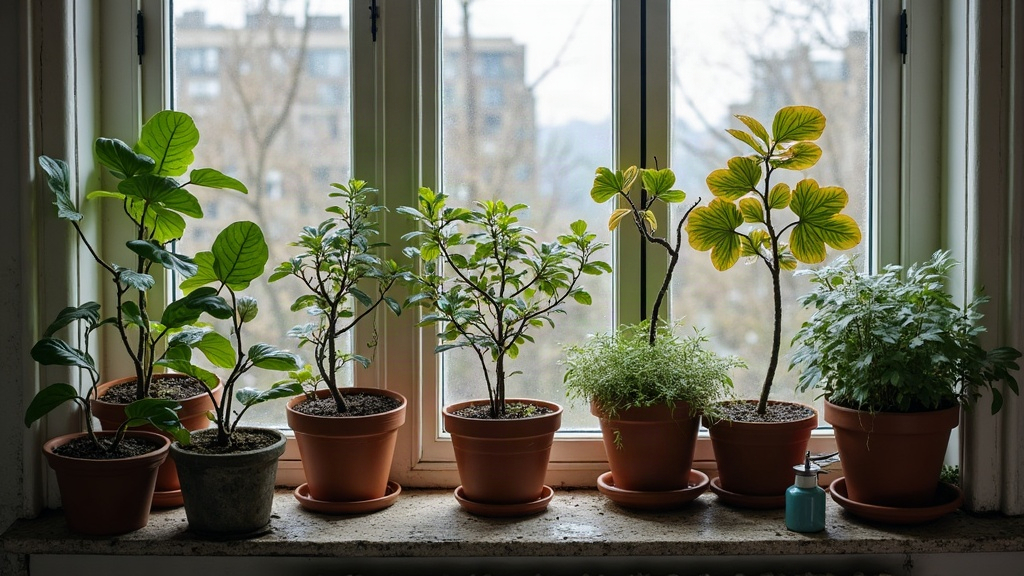
Potted fig trees are surprisingly cold-tolerant, but their roots are a different story. In open ground, roots sit snug in a huge thermal mass of soil. In a pot, they’re basically naked to the air on every side. That’s why an exposed container on a frost-prone balcony can freeze solid overnight while a fig planted in the yard two blocks away sails through the same cold snap fine. Get the timing, insulation, and placement right, though, and you’ll be eating fresh figs off that same tree next summer.
Why Potted Figs Struggle in Winter
Ground-planted roots are buffered by surrounding earth, which holds residual warmth even after a hard frost hits the surface. A container has no such buffer. Cold air wraps around the pot from all sides, so the temperature inside can crash within hours of a freeze, not days. Balconies make the problem worse: they’re elevated above ground level, exposed to wind from multiple directions, and get zero help from the warmth stored in the earth below.
Mature fig wood (the trunk and branches) can usually tolerate 15–20°F (-9 to -6°C) once it’s properly hardened off for winter. Roots in containers are far less forgiving. Damage often starts around 20–23°F (-6 to -5°C), which is nothing on a windy balcony in January. Bottom line: protect the root zone first. Everything else is secondary.
Step 1: Let the Tree Go Dormant Naturally
Resist the urge to wrap everything up the moment the forecast mentions frost. Figs need a stretch of natural cooling to trigger dormancy and drop their leaves. Bring a still-leafy tree indoors too soon and you’re basically inviting spider mites and spindly, weak growth. Wait until you see all three of these:
- Leaves have yellowed and mostly fallen on their own
- Nighttime temps are consistently sitting in the 30s°F (0–4°C)
- The tree has stopped pushing new growth entirely
This window usually lands in late autumn, a few weeks ahead of the first real hard freeze. Patience here pays off later.
Step 2: Choose a Protection Strategy
Option A — Move to a Sheltered Micro-Climate
Got a corner where the pot can sit against the building wall, tucked under an overhang, or near a vent that pushes out warm air? Use it. Building walls hold onto daytime heat and radiate it back out, often raising the local temperature several degrees compared to the exposed edge of the balcony. Sometimes just moving a pot six feet makes the difference between damage and no damage.
Option B — Wrap the Pot, Not Just the Tree
Since the roots are the real risk, insulating the container matters more than fussing over the branches:
- Wrap the pot in bubble wrap, burlap, or an old moving blanket and tie it off with twine
- Slide the pot into a bigger container and pack the gap with straw, shredded leaves, or packing peanuts
- Get the pot off the floor, onto a wooden pallet or a scrap of foam board. Direct contact with cold concrete or a metal railing pulls heat out fast
Option C — Bring It Into an Unheated Space
An unheated garage, a stairwell, an enclosed porch: any of these beats sitting exposed outside. You want a spot that stays above freezing but under 50°F (10°C), cold enough to keep the tree dormant, warm enough that it doesn’t suffer. This is often the single safest option if you have the space for it.
Option D — Bury the Pot
If you’ve got access to garden soil, a shared courtyard bed, or even a deep planter box, sink the whole pot into the ground. Soil contact insulates roots far better than anything you can wrap around a container above ground.
Step 3: Manage Watering and Light
- Cut back watering hard once the leaves drop. A dormant fig needs just enough moisture to keep the root ball from drying out completely, which usually means watering once every 3-4 weeks, give or take, depending on your conditions.
- Skip the fertilizer entirely during dormancy. Feeding now just pushes out tender new growth that cold will kill anyway.
- Overwintering indoors in a dark space? Light doesn’t matter much since there are no leaves to photosynthesize. Just check in on the pot now and then for mold or any early, unwanted budding.
Step 4: Protect Above-Ground Growth
For the parts still sticking up above the pot:
- Loosely wrap the trunk and main branches with horticultural fleece or burlap
- Keep plastic away from direct contact with bark. It traps moisture against the wood and invites rot
- During extreme cold snaps (below 15°F / -9°C), throw on a temporary frost cover or just drag the whole wrapped pot closer to the building wall for that extra few degrees
Step 5: Reintroduce Gradually in Spring
Once nighttime lows reliably stay above freezing and you spot buds starting to swell, start peeling back the wraps. Move the tree back into full sun gradually, over 7-10 days, rather than all at once. Sudden full-sun exposure after a winter indoors can scorch tender new leaves before they’ve toughened up. Once leaves are fully out, resume normal watering and bring back a diluted fertilizer.
Common Mistakes to Avoid
- Waiting too long after the first hard freeze warning before you do anything
- Overwatering during dormancy, which rots roots sitting in cold, soggy soil
- Relying on thin plastic pots with no added insulation. Thin plastic does almost nothing thermally compared to thick ceramic or wood
- Heavy pruning before winter. Save it for late winter or early spring instead. Fresh cuts made right before dormancy can invite dieback
Conclusion
Overwintering a potted fig on a frost-prone balcony really comes down to one rule: roots first, wood second. Insulate the pot, find it a sheltered corner, go easy on the watering, and be patient through the spring transition. Do that, and your fig can shrug off a brutal urban winter and come roaring back with fresh growth, and fruit, once the weather turns warm again.