Balcony Strawberry Leaves Curling After Repotting? Fix It Fast
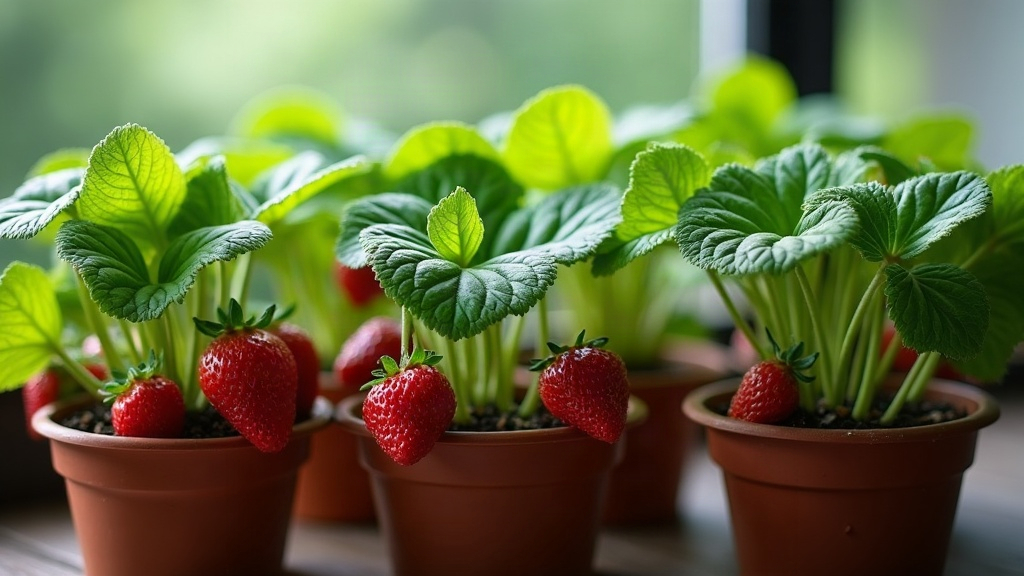
Why Are My Balcony Strawberry Leaves Curling After Repotting?
If your strawberry leaves started curling, cupping, or crisping at the edges right after you moved them to a new pot, the most likely cause is transplant shock combined with root disturbance, sudden light or heat exposure, or watering stress. Curling is the plant’s way of reducing water loss while its damaged or newly settling roots struggle to keep up. The good news: most balcony strawberries recover fully within one to two weeks if you correct the underlying cause quickly.
The Most Common Causes of Curling After Repotting
1. Root Disturbance and Transplant Shock
Strawberries have shallow, fine roots that are easily torn or bruised when moved. Even careful repotting snaps tiny root hairs responsible for water uptake. Until new roots grow, the plant can’t pull up enough moisture, so leaves curl inward to cut down on transpiration.
2. Sudden Sun or Heat Exposure
If the new pot sits in a sunnier or hotter spot than before — common on balconies where light bounces off railings and walls — leaves can curl and even scorch at the tips within a day or two.
3. Watering Mistakes
- Too dry: Fresh potting mix, especially peat-based blends, can repel water at first, leaving roots dehydrated even if you watered.
- Too wet: Oversized pots hold excess moisture around small root balls, leading to root rot, which also causes curling and yellowing.
4. Pot Size Mismatch
Jumping from a small nursery pot to a large planter without adjusting your watering routine is one of the top reasons for post-repot stress. Excess unused soil stays soggy and starves roots of oxygen.
5. Fertilizer Burn
Adding fertilizer right at repotting time, especially a strong synthetic feed, can scorch tender new roots and cause immediate leaf curling or brown edges.
Step-by-Step Fix
Step 1: Move the Plant to Partial Shade
For the first 3–5 days after repotting, move the container to a spot with bright, indirect light or morning sun only. This reduces water demand while roots recover.
Step 2: Check Soil Moisture Correctly
Stick a finger 2 inches into the soil. It should feel evenly moist, not soggy or bone-dry. If the top layer repels water, water slowly in small amounts, letting it fully absorb between pours, until moisture reaches the root zone.
Step 3: Trim Damaged Leaves Only
Remove leaves that are fully brown, crispy, or collapsed. Leave curled-but-green leaves alone — they’re still photosynthesizing and help the plant recover.
Step 4: Hold Off on Fertilizer
Wait 2–3 weeks after repotting before feeding again. Roots need time to heal before they can safely process nutrients.
Step 5: Stabilize Temperature and Wind Exposure
Shield the pot from strong wind and afternoon heat spikes for the first week. A simple trick: place it near a taller plant or a screen that filters direct afternoon sun.
Step 6: Resume Normal Care Gradually
After 5–7 days, if new growth looks upright and green, gradually reintroduce full sun exposure over 2–3 days rather than all at once.
How Long Does Recovery Take?
Most balcony strawberries show visible improvement within 7–10 days, with new, uncurled leaves emerging within two to three weeks. If curling persists past three weeks or spreads to new growth, check for:
- Root rot (mushy, dark roots, foul smell) — repot into fresh, well-draining mix.
- Pests like spider mites or aphids on leaf undersides, which also cause curling.
- Nutrient deficiency, often shown as pale yellow-green curled leaves.
Preventing Curling Next Time You Repot
- Repot in the early morning or on a cloudy day to reduce heat stress.
- Water thoroughly the day before repotting so roots are hydrated going in.
- Choose a pot only 1–2 inches larger in diameter than the current one.
- Use a well-draining potting mix formulated for strawberries or vegetables.
- Skip fertilizing for at least two weeks post-repot.
Conclusion
Curling strawberry leaves after repotting almost always point to transplant shock, watering imbalance, or sudden light and heat changes rather than a serious disease. By shading the plant temporarily, correcting your watering habits, holding off on fertilizer, and giving roots time to reestablish, most balcony strawberries bounce back within one to two weeks. Keep an eye on new growth: once fresh, flat leaves appear, your plant has recovered and you can return to your normal care routine.