How to Create a Pollinator Balcony Garden Where Bees Are Rare
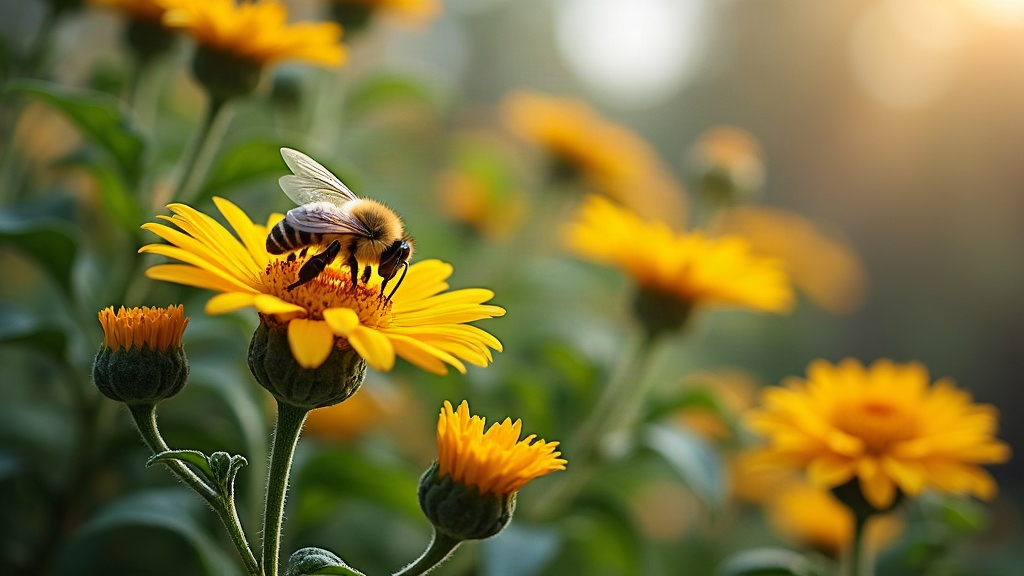
If bees seem to have vanished from your neighborhood, your balcony can become their rescue station. It sounds dramatic for a 4x6-foot space, I know, but with the right plant choices, a smart container layout, and a handful of habitat tweaks, that tiny patch of concrete can pull in bees, butterflies, hoverflies, and moths that would otherwise fly right past your building.
Why Bees Are Disappearing From Urban Areas
Before you start planting, it’s worth knowing what pollinators are actually up against in cities:
- Pesticide drift from nearby lawns and street trees
- Lack of continuous bloom. Most urban landscaping only flowers for 2-3 weeks out of the entire year
- Paved surfaces that wipe out nesting spots for ground-dwelling bees
- Light pollution that throws off nocturnal pollinators like moths
- Monoculture plantings (grass, non-flowering ornamentals) that offer zero food value
A balcony garden tackles several of these at once. It’s pesticide-free from the start, it can be planted for near year-round bloom, and it sits above street level, which some bee species actually prefer for foraging.
Step 1: Choose the Right Pollinator Plants
Here’s the thing: not every plant labeled “bee-friendly” on a garden center tag actually delivers. Stick with these balcony-proven options instead.
Best Flowers for Bees
- Lavender. Long bloom window, shrugs off drought, does great in pots
- Borage. Produces nectar-rich blue flowers almost nonstop
- Oregano and thyme (let them flower). These herbs do double duty as pollinator magnets
- Sedum (stonecrop). Blooms late in the season, a lifeline for autumn bees
Best Flowers for Butterflies and Moths
- Zinnias. Flat-faced blooms make easy landing pads
- Verbena bonariensis. Tall and airy, a favorite of swallowtails
- Evening primrose. Opens at dusk and feeds night-flying moths
Avoid These Common Mistakes
- Double-petaled flowers (roses, double marigolds) usually hide their nectar behind extra petal layers, so pollinators can’t reach it
- Hybrid ornamentals bred purely for color, not for pollen
- Planting just one or two species. Aim for at least 5-6 different flower types
Step 2: Plan for Continuous Bloom
One good season of flowers won’t cut it. Stagger your bloom times across containers so something is always open for business:
- Spring (March-May): crocus, grape hyacinth, early thyme
- Summer (June-August): lavender, borage, zinnias, verbena
- Fall (September-October): sedum, asters, late oregano
This kind of “bloom succession” keeps a food source available at all times, and in places where bees are already scarce, every single visit matters. You don’t want a two-week gap where a hungry bee shows up to find nothing but green leaves.
Step 3: Add Water and Shelter
Flowers alone won’t convince bees to stick around. They need a few more amenities:
- A shallow water dish with pebbles or marbles inside, so bees have somewhere to land and drink without drowning
- A bee hotel (just a small bundle of hollow bamboo tubes works) mounted against a wall, facing southeast to catch the morning sun
- A patch of bare soil in a container corner, left unmulched, for ground-nesting solitary bees
Step 4: Skip the Chemicals Entirely
Even products labeled “organic” can still hurt pollinators. Try these instead:
- Hand-pick pests off the leaves, or blast them with a strong spray of water
- Plant nasturtiums nearby as a sacrificial trap crop for pests
- Pick disease-resistant varieties so you need fewer treatments in the first place
Step 5: Think Vertically and Maximize Space
Small balconies do better when you build up, not just out:
- Railing planters for trailing flowers like calibrachoa
- Hanging baskets filled with trailing lobelia or thunbergia
- Tiered plant stands to stack bloom layers at different heights
More flowers packed into a small footprint means higher flower density, and studies have shown that this alone meaningfully boosts pollinator visits, even in isolated patches of urban green.
How Long Until You See Results?
Most balcony gardens get their first pollinator visitors within 3-6 weeks of the first blooms opening, especially if you’ve planted high-nectar options like borage and lavender. If bee populations in your area are really thin, it might take a full growing season before visits start happening regularly. But once local bees discover a reliable, chemical-free food source, they come back, and they often bring nestmates with them.
Conclusion
Building a pollinator balcony garden where bees are rare isn’t just doable, it’s genuinely one of the best small-scale conservation moves available to anyone living in a city. Pick nectar-rich plants, stagger your bloom schedule, add water and shelter, and keep the chemicals out entirely. Do that, and your balcony becomes a dependable stopover for bees, butterflies, and moths crossing an otherwise pretty inhospitable stretch of urban landscape. Start small, stay consistent, and give it time. Your container garden really can turn into a buzzing little micro-habitat.