No-Drill Trellis for Climbing Beans on a Rental Balcony
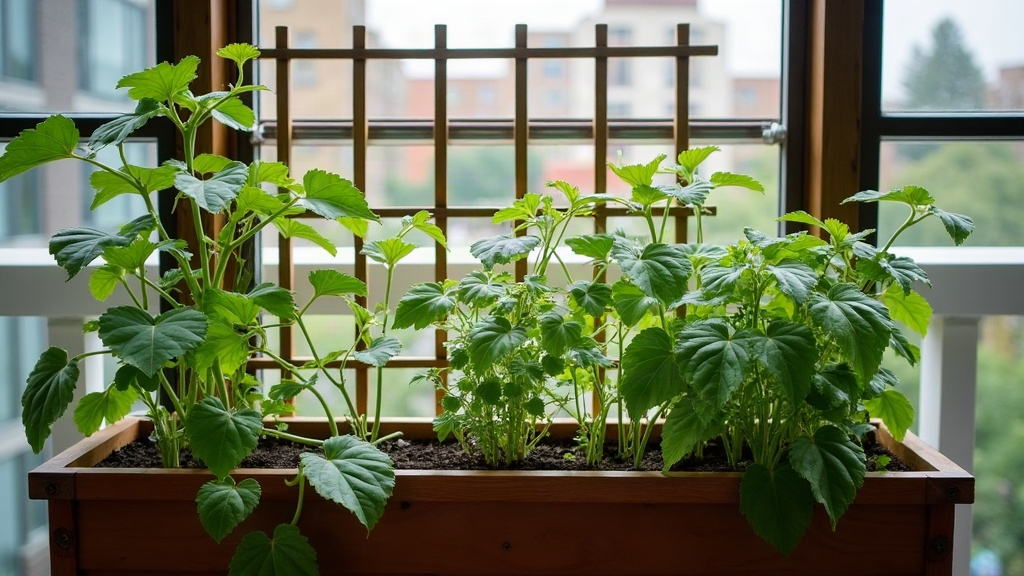
If you’re renting and dreaming of homegrown climbing beans, relax: you don’t need to drill a single hole into your balcony railing or walls. A no-drill trellis relies on tension, weight, and a bit of clever anchoring, think tall bamboo tripods, railing-clamp frames, or weighted planters, to give beans something sturdy to climb without violating your lease. Below are five methods that actually work, plus the materials and setup steps you’ll need to get growing vertically today—and if you prefer compact crops, check out growing dwarf okra in buckets instead.
Why Climbing Beans Need Vertical Support
Pole beans (unlike their bush cousins) can shoot up 6 to 10 feet and need something to wrap their tendrils around. Skip the support and you’ll end up with a sprawling, tangled mess that produces fewer pods than it should. A good trellis also:
- Maximizes limited balcony floor space
- Improves airflow, cutting down on fungal disease
- Makes harvesting easier (no more digging through a vine jungle)
- Adds greenery and a bit of privacy screening
The catch for renters is pulling this off without marking up railings, walls, or flooring, since most leases flatly prohibit permanent alterations.
Method 1: The Bamboo Tripod (Cheapest, No Hardware)
This is the classic no-drill solution, and it works beautifully in a large pot.
Materials: 3-4 bamboo poles (6-8 ft), garden twine or zip ties, a deep container (at least 12 inches).
Steps:
- Push the poles into moist soil in your container, spacing them evenly around the edge.
- Gather the tops and lash them together with twine to form a teepee shape.
- Plant 2-3 bean seeds at the base of each pole.
- As vines grow, gently guide them clockwise around the poles.
The tripod is completely freestanding and never touches the railing, which makes it perfect if your lease bans attaching anything to balcony structures.
Method 2: Railing-Clamp Trellis Panels
Plenty of garden centers sell trellis panels fitted with C-clamps or hook-and-loop straps designed specifically for balcony railings.
- Choose lightweight panels (fiberglass or coated wire) so wind doesn’t turn them into a sail.
- Clamp them to the inside of the railing, letting a planter box on the floor bear most of the weight, not the clamp itself.
- Check your lease first. If the railing counts as shared common property, ask permission before clamping anything on, even something as minor as this.
Method 3: Tension Netting Between Hooks
Over-the-railing hooks (the same kind used for hanging flower baskets) let you string up a trellis net without touching a drill.
Setup:
- Hang two sturdy S-hooks or over-rail brackets at each end of your growing space.
- String a nylon or jute trellis net between them.
- Weigh down the bottom of the net with a horizontal bamboo stake tucked into the soil, so a gust of wind doesn’t send it billowing.
This one’s a lifesaver on narrow balconies where a bulky tripod simply won’t fit.
Method 4: Weighted A-Frame Ladder Trellis
Build a freestanding A-frame from two bamboo or wood ladders (or even repurposed pallet slats) hinged together at the top.
- Spread the legs into a stable “A” shape.
- Anchor the base with heavy pots, bricks, or a couple of sandbags on each side.
- This setup holds up well on windy high-rise balconies, since the wide base resists tipping even in gusty conditions.
Method 5: Command Hooks + Fishing Line Grid
Want something almost invisible? Try this.
- Use heavy-duty adhesive hooks (rated for outdoor use) on the wall behind your planter.
- Run fishing line or garden twine in a diagonal or vertical grid.
- Beans take to the thin lines readily, and the hooks peel off cleanly later without damaging paint.
One tip: test the adhesive hooks on an inconspicuous spot first, especially if the surface is textured or freshly painted.
Choosing the Right Container
Whatever trellis you build, pair it with:
- A container at least 12-16 inches deep, so roots have room to develop
- Drainage holes plus a saucer underneath, to protect your flooring
- Well-draining potting mix amended with compost
Best Climbing Bean Varieties for Balconies
- Kentucky Wonder – vigorous grower, classic pole bean flavor
- Scarlet Runner – edible pods and ornamental red flowers in one, great for a privacy screen
- Blue Lake Pole – compact growth, well suited to smaller trellises
Maintenance Tips
- Water consistently. Container-grown beans dry out much faster than beans in garden beds.
- Feed every 3-4 weeks with a balanced organic fertilizer once flowering kicks in.
- Rotate the trellis position slightly if one side gets noticeably more sun, so growth stays even.
Conclusion
Permanent fixtures aren’t required for a thriving vertical bean garden, not even close. Bamboo tripods, clamp-on panels, tension netting, A-frames, and command-hook grids each give renters a real shot at growing climbing beans successfully, all while keeping the balcony damage-free and the lease intact. Pick whichever method fits your space and wind exposure, pair it with a deep enough container, and you’ll be pulling fresh beans off the vine within a few weeks.