Growing Micro-Dwarf Tomatoes Under Balcony Shade Cloth in Heatwaves
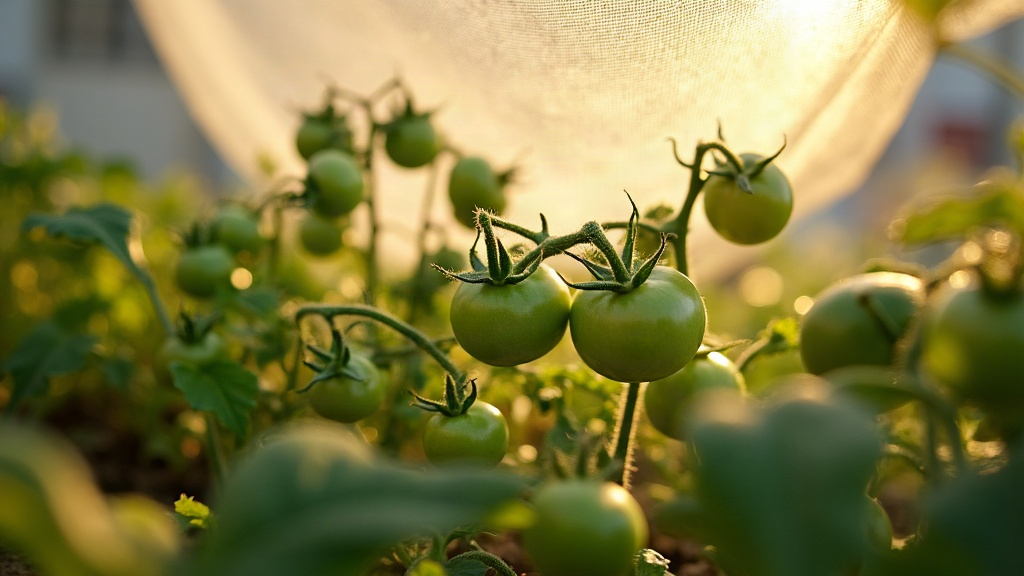
Growing Micro-Dwarf Tomatoes Under Balcony Shade Cloth During Heatwaves
If you’ve ever watched your balcony tomatoes wilt by 2 pm in July, you know the panic. Growing micro-dwarf tomatoes under shade cloth during heatwaves is one of the most reliable fixes for keeping these compact plants alive and fruiting once temperatures climb past 90°F (32°C). These tiny plants, often under 12 inches tall, are tougher than they look, but blossom drop, scorched leaves, and bone-dry soil still catch up with them fast in extreme heat. A well-chosen shade cloth, a smart container setup, and a watering routine you actually stick to can be the difference between a sad, wilted stub and a steady little harvest of cherry tomatoes right outside your window.
Why Micro-Dwarf Tomatoes Struggle in Heatwaves
Varieties like ‘Tiny Tim,’ ‘Red Robin,’ and ‘Micro Tom’ have shallow roots and tiny soil volumes crammed into small pots. Put those two things together and you get trouble fast:
- Soil can dry out in just a few hours on a hot, sun-baked balcony
- Pollen turns sterile above 95°F (35°C), so flowers drop instead of setting fruit
- Black or dark-colored pots soak up heat and essentially cook the roots inside
- Concrete floors and metal railings bounce heat back at the plant from every angle
A full-size tomato planted in the ground can send roots down a foot or more, into soil that stays cool even on a scorcher. A balcony dwarf has no such escape route. The only relief it gets is whatever shade you decide to give it.
Choosing the Right Shade Cloth
Not all shade cloth does the same job. For balcony tomatoes riding out a heatwave:
- Shade percentage: Stick with 30-40%. Go denser than that (50% or more) and you’ll choke off the light fruiting depends on.
- Color: Light green or white reflects heat noticeably better than black, which just sits there absorbing warmth all afternoon.
- Timing: Hang the cloth only during peak sun, roughly 11 am to 4 pm, not all day. Plants still need that morning and evening light to photosynthesize properly.
- Installation: Clip the cloth to a tension rod or the tomato cage frame, a few inches above the foliage. Never let it rest on the leaves. Trapped heat underneath the fabric can scorch them just as badly as direct sun.
A cheap DIY fix that actually works: mount a collapsible curtain rod on your railing brackets and attach the cloth to it. You can slide it open and closed as the sun tracks across the sky, no tools required after the initial setup.
Container and Soil Strategy
Since micro-dwarfs are stuck living in small pots, container choice ends up mattering almost as much as the shade itself:
- Go with light-colored pots in the 1-2 gallon range (terracotta or white plastic), not the dark ones that heat up like a skillet.
- Lay down a 2-inch layer of mulch, straw, bark chips, even pebbles, to slow down evaporation.
- Mix coconut coir or perlite into the potting soil to help it hold moisture longer between waterings.
- Lift pots off the hot balcony floor with pot feet or a cheap plant stand. That concrete surface can hit 140°F in direct sun, and it transfers heat straight up into the container.
Watering During Extreme Heat
During a heatwave, micro-dwarfs do better with frequent, shallow watering than the occasional deep soak:
- Check soil moisture twice a day, once in the morning, once in late afternoon.
- Water before 8 am so roots are already hydrated by the time the real heat hits.
- Skip watering the foliage at midday. Droplets sitting on leaves under bright sun act like tiny magnifying lenses and can scorch the tissue.
- During a multi-day heat spell, try a simple self-watering wick: a length of cotton string running from a water reservoir into the pot, keeping moisture steady without you having to babysit it every few hours.
Managing Blossom Drop and Pollination
Even with good shade and consistent watering, you’ll probably still lose some flowers to the heat. A few things help fruit set along anyway:
- Hand-pollinate in the cool morning hours using a small artificial paintbrush, or better yet, an electric toothbrush buzzed gently against the flower cluster to mimic a bee’s vibration.
- Lay off high-nitrogen fertilizer while it’s hot. It just pushes leafy growth at the expense of flowers you actually want.
- Switch to a balanced or slightly phosphorus-heavy liquid feed every two weeks instead, to keep fruit development moving despite the stress.
Best Micro-Dwarf Varieties for Hot Balconies
Some cultivars simply handle heat better than others:
- Red Robin – compact, heat-tolerant, sets fruit reliably even when things get rough
- Tiny Tim – a classic, a bit more sensitive to heat but still very productive
- Micro Tom – about as small as they come, great for tight spaces, moderate heat tolerance
- Venus Dwarf – bred specifically for warm climates, keeps producing well past 90°F
Quick Heatwave Checklist
- Install 30-40% light-colored shade cloth, midday hours only
- Switch to light-colored, elevated containers
- Mulch the soil surface to hold moisture
- Water twice daily, early morning and late afternoon
- Hand-pollinate flowers during the cooler morning hours
- Favor heat-bred varieties like Red Robin or Venus Dwarf
Conclusion
None of this requires fancy equipment. Partial shading at the right hours, smarter container choices, and a watering schedule you don’t skip can keep micro-dwarf tomatoes productive straight through a heatwave. Protect them during the brutal midday sun, let them soak up morning and evening light, and these little plants will keep going even when the thermometer sits in the high 90s for days on end. A bit of daily attention is really all it takes to keep sweet, sun-ripened cherry tomatoes coming off your balcony all summer.