Advanced Guide to Hand-Pollinating Patio Tomatoes Without Bees
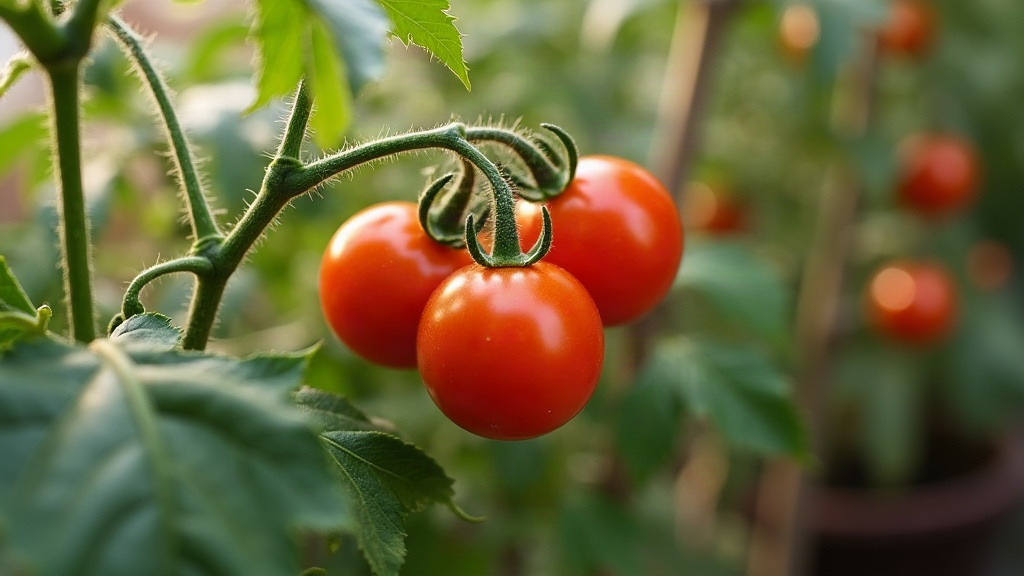
If you’re growing tomatoes on a balcony, patio, or indoors where bees rarely show up, don’t worry. You can still get a solid harvest by pollinating the flowers yourself. Tomato flowers are “perfect” flowers, meaning they carry both male and female parts in the same bloom. With the right technique (a vibration, a tap, or a quick pass with a small brush) you can mimic what a bee would do and boost fruit set even in a space with zero pollinators.
Why Patio Tomatoes Struggle Without Bees
Tomatoes technically self-pollinate, but the pollen still needs a nudge to move from the anther cone onto the stigma. Outdoors, bumblebees handle this through something called “buzz pollination,” where they vibrate the flower at just the right frequency to shake pollen loose. On a patio, balcony, or indoor setup, that natural trigger is usually missing:
- There’s barely any wind, so pollen just sits there instead of shaking free.
- Humidity swings too high or too low, which messes with pollen viability.
- Fewer bugs stop by, so flowers open, wilt, and drop off the plant without ever turning into fruit.
That’s the real reason so many container tomatoes look lush, bloom like crazy, and still end up with a disappointingly small harvest.
Signs You Need to Hand-Pollinate
- Flowers open, go yellow, shrivel up, and fall off without ever swelling into fruit.
- You’ve got blossoms everywhere, but no pea-sized tomatoes showing up after a week or two.
- Your setup is indoors, on a screened-in balcony, or in a greenhouse where insects simply can’t get in.
Best Time to Hand-Pollinate
Pollen works best, and flowers are most receptive, under specific conditions:
- Late morning, roughly 9 AM to noon, after the dew has burned off.
- On warm, dry days, somewhere around 70-85°F (21-29°C). Push past 90°F, or add a lot of humidity, and pollen gets sticky and loses viability fast.
- Go for flowers that are fully open, with the petals curled back and a bright yellow color showing. That’s your cue the anthers are ready to let go of pollen.
Four Proven Hand-Pollination Techniques
1. The Finger Flick (Simplest Method)
Just flick or tap the stem right behind the flower cluster with a finger. It mimics wind, shaking pollen down onto the stigma. Do this every other day while the plant is in peak bloom.
2. Electric Toothbrush Method (Most Effective)
Press the vibrating head of an electric toothbrush (no toothpaste, obviously) against the back of the flower for a second or two. It’s uncannily close to a bumblebee’s actual buzz frequency, which is why a lot of indoor growers swear by it as the gold standard.
3. Small Paintbrush or Cotton Swab
Dip a dry, soft artist’s brush into the center of the flower and swirl gently to pick up pollen. Then carry it over to the next flower, on the same plant or a different one. Cross-pollinating this way can even improve fruit size in some varieties.
4. Gentle Shaking of the Whole Plant
Grab the main stem and give it a light shake for a few seconds. This works well when you’ve got a lot of open flowers at once, though it’s a blunter tool than the targeted methods above.
Step-by-Step Routine for Best Results
- Check your flowers daily once blooms start opening.
- Pollinate every fully open flower every 1-2 days, using whichever method you prefer.
- Keep track of which clusters you’ve already done (a loose thread tied around the stem works fine) so you don’t skip new blooms.
- Add a small fan on low to keep air moving between pollination sessions; that light, constant airflow helps too.
- Look for tiny green fruit forming within 7-10 days. That’s your sign it worked.
Extra Tips for Container and Patio Growers
- Run a small oscillating fan near the plants for an hour or two a day. It adds gentle, continuous vibration on top of your manual work.
- Skip watering the flowers directly. Wet pollen clumps together and won’t transfer properly.
- Feed with a fertilizer low in nitrogen and higher in phosphorus once flowering starts. Too much nitrogen just feeds leaves at the expense of blooms and fruit.
- Pick compact, high-yield varieties bred specifically for pots, like ‘Patio Princess’ or ‘Tumbling Tom’. These tend to flower like crazy and respond really well to hand-pollination.
Common Mistakes to Avoid
- Pollinating flowers that are still closed, or ones already on their way out. Timing really does matter here.
- Working in high humidity or right after watering, when pollen sticks together instead of transferring.
- Doing it once and calling it done. A single attempt rarely cuts it; stick with it for 1-2 weeks and you’ll see the difference.
Conclusion
Hand-pollinating patio tomatoes isn’t rocket science, but it does ask for a few minutes of attention every day while the plant is blooming. Finger flick, electric toothbrush, soft brush, pick your method. What actually matters is showing up consistently, catching the right timing, and keeping your touch gentle. Stick with a routine and you can get the same kind of fruit set a garden full of bees would give you, right there on your balcony or windowsill.