Why Balcony Basil Turns Woody Early and How to Fix It
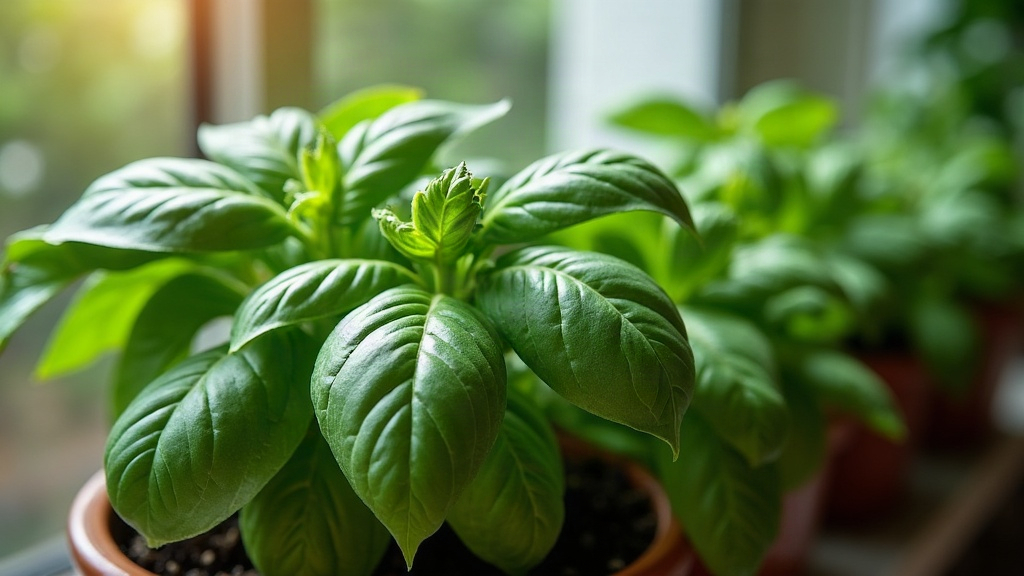
If your balcony basil has gone from soft and leafy to thick, fibrous, almost tree-like in a matter of weeks, you’re not imagining things. That’s premature woodiness, and it’s usually down to one (or several) of a handful of culprits: not enough harvesting, too much sun stress, a cramped pot, or the plant rushing headlong toward flowering. The reassuring part? Once you know the trigger, it’s almost always fixable, or avoidable in the first place.
Why Basil Turns Woody So Fast
Basil is an annual, and every annual has one job: grow, flower, set seed, die. Once the plant feels it’s grown “enough,” or senses stress, it stops pouring energy into soft leaves and starts hardening its stems and pushing up flower stalks. That hardening process (lignification, if you want the technical term) is what turns the lower stems brown, stiff, and woody.
A few balcony-specific conditions speed this up considerably:
1. Infrequent or Shallow Harvesting
Basil left alone just grows up and out, tall and leggy, with a single thick stem doing all the work. Without regular pinching to force branching, that main stem has no reason to stay soft. It thickens instead.
2. Too Much Direct Heat and Sun
Balconies are heat traps, particularly the south- or west-facing ones. Basil genuinely wants 6+ hours of sun a day, but combine blazing 3pm heat with warmth radiating off a railing or concrete floor, and the plant panics into early flowering. That’s one of the fastest routes to woody stems.
3. Root-Bound Pots
A small or shallow container gives the roots nowhere to go. Once they hit the walls of the pot, the plant reads that as “time to grow up,” shifting resources from leaf production into structural stem tissue.
4. Irregular Watering
Basil wants soil that’s consistently moist, not bone-dry one day and waterlogged the next. Swing between drought and a heavy soak, and the plant slips into a kind of survival mode, which accelerates both flowering and stem hardening.
5. Letting It Flower
This is the big one. Once flower spikes show up, leaf production basically grinds to a halt, and the stems just below those flowers harden almost overnight. If you only fix one thing on this list, fix this.
How to Keep Balcony Basil Soft and Productive
Harvest Aggressively and Often
Pinch just above a leaf node every 1-2 weeks, whether or not you actually need the leaves for dinner. Removing the growing tip tells the plant to send out two new stems instead of one, keeping it bushy and buying you time before woodiness sets in. As a rule of thumb, don’t let more than a third of the plant go untouched for long stretches.
Pinch Off Flower Buds Immediately
Get in the habit of checking every few days. The moment you spot tiny buds forming at the tips, snip them off right away. It sounds almost too simple, but this one habit alone can add weeks, sometimes a full month, to your basil’s productive life.
Upgrade Pot Size
Aim for a container at least 8-10 inches deep and wide per plant. More root room means the “time to mature” signal gets delayed considerably.
Manage Sun and Heat
- Give basil its morning-to-midday sun, but if your balcony turns into an oven between 2 and 5pm, filter or shield it during that window.
- During a heatwave, just move the pot somewhere slightly shadier for a few days.
- Cluster pots together. It sounds minor, but grouping them buffers soil temperature swings more than you’d expect.
Water Consistently
In hot weather, check the soil daily, water once the top inch feels dry, and aim for evenly moist, never soggy. A thin layer of straw or bark mulch on top helps balcony pots hold moisture longer between waterings.
Feed Lightly But Regularly
Container-grown basil burns through nutrients fast, faster than most people assume. A diluted balanced liquid fertilizer every 2-3 weeks keeps it focused on leafy growth rather than stress-driven flowering.
What to Do With Already-Woody Basil
Basil already gone woody on you? Here’s the fix:
- Cut back hard, right down to just above a lower set of healthy leaves. This often kicks off fresh, tender growth from the base within a week or two.
- Taste before tossing. The woody stems themselves are a lost cause, but leaves up near the top are frequently still perfectly good for cooking, maybe a touch more peppery than usual.
- Start a second batch. Basil seed and nursery starts are cheap and grow fast. Plenty of balcony gardeners just keep a rolling succession going, planting a new batch every 4-6 weeks, so there’s always tender basil coming up behind the older, tougher plants.
Conclusion
Woody stems aren’t a verdict on your gardening skills. They’re just basil doing what basil does when it’s stressed, crowded, or left unharvested too long. Pinch the flower buds early, harvest often, size up the pot, and keep the watering steady, and you’ll get months of soft, bushy, productive basil instead of just a few weeks. And if woodiness does creep in anyway, a hard cutback or a fresh succession planting gets you back on track fast.