Fabric Grow Bags vs Plastic Pots for Balcony Potatoes
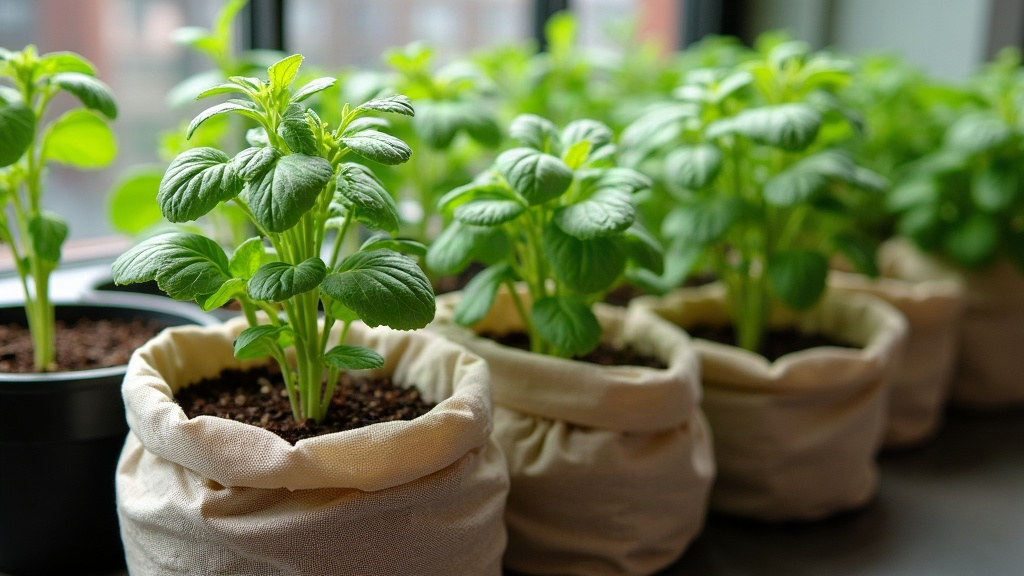
Growing potatoes in containers is one of the most satisfying balcony projects you can take on, but here’s the thing nobody tells you upfront: the container itself decides whether you get a bumper harvest or a bucket of mush. In short, fabric grow bags generally beat plastic pots for balcony potatoes, mostly because of drainage and air pruning. Plastic pots fight back with steadier moisture retention and better insulation when your balcony turns into a furnace in July. Which one wins for you really comes down to your climate, how often you actually remember to water, and how much yield you’re trying to squeeze out of a cramped space.
Why Drainage Matters So Much for Potatoes
Potatoes hate wet feet. Genuinely hate it. Leave tubers sitting in soggy soil for too long and you’ll end up with:
- Rot, plus soft, mushy potatoes that fall apart when you dig them up
- Fungal issues like blight and black scurf creeping in
- Stunted, undersized tubers because roots can’t breathe
Balcony growing already cramps root space compared to an open garden bed. Add poor drainage on top of that, and it’s often the single thing standing between a proud harvest photo and a sad, rotten mess.
Fabric Grow Bags: Strengths and Weaknesses
Fabric grow bags, usually made from breathable non-woven polypropylene, have become the go-to for urban growers. There’s a reason for that.
Advantages
- Superior drainage: water just moves through the fabric walls. Waterlogging is practically a non-issue.
- Air pruning: when roots hit the fabric edge, they stop circling and instead branch out, building a denser, more fibrous root system.
- Better soil aeration: oxygen gets through the walls, and tubers need that oxygen to bulk up properly.
- Easy harvesting: tip the bag over or unzip the side panel and the potatoes are right there. No digging required.
- Lightweight and collapsible: fold them flat and tuck them away once the season’s over.
Disadvantages
- Faster moisture loss: on a hot, windy balcony, a fabric bag can dry out in a single afternoon. In peak summer you might be watering every day, no exceptions.
- Less structural support: fabric sags, so taller plants sometimes need a stake to stay upright.
- Shorter lifespan: cheap bags fall apart after two or three seasons of sun exposure. Spend a bit more upfront and they’ll last longer.
Plastic Pots: Strengths and Weaknesses
Plastic pots are the old reliable. Not glamorous, but they get the job done.
Advantages
- Moisture retention: plastic holds water much longer, which is a real advantage in a hot climate or if you’re the type who forgets to water every other day.
- Durability: a decent plastic pot can easily last ten years.
- Structural stability: the rigid walls hold up tall plants without any staking drama.
- Lower cost per use: spread across several seasons, plastic often ends up cheaper.
Disadvantages
- Drainage risk: you need several properly sized holes, and even then, water can pool at the bottom unless you prop the pot up on feet.
- Root circling: roots hit the wall and just loop around instead of pruning naturally, which can shave a bit off tuber vigor.
- Heat buildup: dark plastic soaks up heat on a sun-baked balcony. Once soil temperature climbs past 80°F (27°C), tubers start feeling stressed.
Yield Comparison: What the Data Shows
Small-scale trials and plenty of home-grower comparisons keep landing on the same pattern:
| Factor | Fabric Grow Bags | Plastic Pots |
|---|---|---|
| Average yield per 10-gallon container | 4–6 lbs | 3–5 lbs |
| Watering frequency needed | High | Moderate |
| Risk of rot | Low | Moderate-High |
| Root health | Excellent (air pruning) | Good |
| Heat stress risk | Low | Moderate-High |
Fabric bags usually pull ahead on yield, and the reason is straightforward: less rot, more oxygen at the roots. Both of those feed directly into how well tubers bulk up underground.
Which Should You Choose for Your Balcony?
- Go with fabric grow bags if you can realistically water every day during peak summer, you want to push for the highest yield possible, and you like the idea of dumping the bag out at harvest time instead of digging.
- Go with plastic pots if your balcony bakes in the sun and catches wind all day, you travel a lot and can’t commit to daily watering, or you’d rather buy once and reuse the container for years.
Practical Tips for Either Container
- Don’t go smaller than 10 gallons if you want a decent yield.
- Keep drainage holes clear, and if you’re using plastic, toss in a layer of coarse gravel at the bottom.
- Pick light-colored containers wherever possible. It makes a noticeable difference on a sunny balcony.
- Hill the soil or pile on straw mulch as the plants grow, no matter which container you picked.
Conclusion
Either container can get you a solid balcony potato harvest. Fabric bags tend to edge out plastic on drainage, root health, and final yield, as long as you’re willing to water more often. Plastic pots are the steadier, lower-maintenance choice if your balcony runs hot or your watering schedule is unpredictable. Pick the one that fits your balcony’s conditions and your actual daily habits (not the ideal version of your routine), and you’ll walk away with a decent crop of homegrown potatoes from a few square feet of space.