Stopping Fungus Gnats in Seedling Pots Without Chemical Sprays
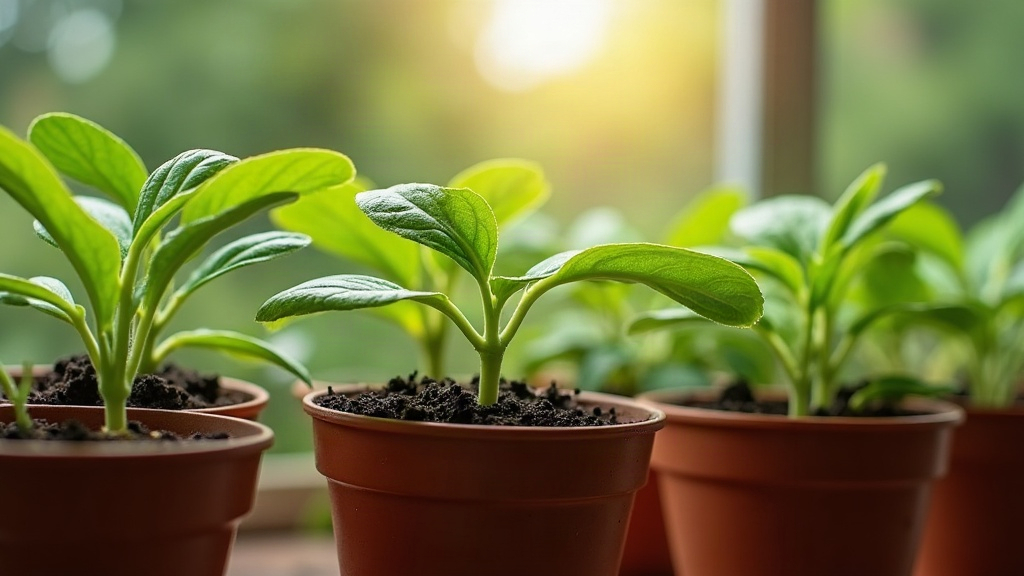
How to Get Rid of Fungus Gnats Naturally (Without Harming Seedlings)
Fungus gnats are those tiny, mosquito-like flies that swarm around seedling trays and houseplant soil. Annoying, sure, but they can also do real damage to young roots if you let the problem run. Here’s the good news: you don’t need a chemical spray to deal with them. Fix your watering habits, swap out the top layer of soil, set a few simple traps, and you can break the gnat life cycle in two to three weeks using nothing but safe, seedling-friendly methods.
Why Fungus Gnats Love Seedling Pots
Fungus gnats (usually Bradysia species) go wherever the soil is consistently moist and rich in organic matter, which describes pretty much every seedling tray ever started. Adult females lay their eggs in the top inch of damp soil. Once hatched, the larvae feed on fungi and decaying plant matter, and occasionally on tender young roots and root hairs too.
That root-feeding habit is exactly why gnats are a bigger deal for seedlings than for anything else. A handful of larvae gnawing at a mature houseplant’s roots? Mildly annoying. The same larvae on a two-week-old seedling? That can stunt it or kill it outright.
The adults themselves don’t bite and don’t chew on plants, they’re mostly a nuisance buzzing around your face. But here’s the catch: a single female can lay up to 200 eggs. So a problem that looks minor on Monday can be a full infestation by the following week if the soil stays wet.
Step 1: Let the Soil Surface Dry Out
This is the single most effective fix, and it costs nothing:
- Switch to bottom watering. Set your trays in a shallow reservoir for 10-15 minutes and let the soil pull moisture up from below. The surface, where gnats actually lay their eggs, stays dry while the root zone gets what it needs.
- Water less often. Poke a finger or a wooden skewer into the soil before reaching for the watering can. The top 1-2 cm should feel dry first.
- Fix your drainage. Every pot or tray cell needs drainage holes. If water is sitting and pooling for hours, that’s a gnat invitation.
Eggs and larvae simply can’t survive in dry soil. This one change, on its own, often clears up a mild infestation within a week.
Step 2: Add a Dry Topdressing
A dry, inorganic layer on top of the soil does two things at once: it blocks adults from reaching moist soil to lay eggs, and it dries out whatever eggs are already sitting there.
- Sand (coarse horticultural sand, not the stuff from the beach) in a layer around 0.5 cm thick.
- Food-grade diatomaceous earth, which dehydrates larvae and eggs on contact. Reapply it after every watering.
- Fine gravel or perlite, which works almost as well and also helps surface drainage.
Topdress every pot in the area, not just the worst-looking ones. Adult gnats fly freely between containers, so skipping a few pots just gives them somewhere to regroup.
Step 3: Use Yellow Sticky Traps
Yellow sticky traps, or even plain yellow index cards smeared with petroleum jelly, pull in adult gnats before they get the chance to lay more eggs.
- Lay them flat, just above soil level, for the best catch rate.
- Several small traps scattered across a tray beat one big trap sitting in the corner.
- Check them every few days. A trap full of gnats actually tells you something good: your population is shrinking.
Traps won’t fix the underlying moisture problem, but they’re a cheap way to track how bad the infestation really is, and they take out the egg-laying adults before they can do more harm.
Step 4: Try Beneficial Nematodes or BTI
For infestations that won’t quit, two biological controls will kill the larvae without a single synthetic chemical:
- Bti (Bacillus thuringiensis israelensis), sold as mosquito dunks or granules. This bacterium targets gnat larvae specifically and leaves seedlings, pets, and beneficial insects alone. Dissolve a chunk in your watering water, or just sprinkle the granules on top of the soil.
- Beneficial nematodes (Steinernema feltiae), microscopic worms that actively hunt down fungus gnat larvae in the soil. Mix with water and apply as a drench.
Commercial organic greenhouses rely on both of these regularly, and they’re considered safe for food crops and ornamentals alike.
Step 5: Prevent Reinfestation
Once you’ve got things under control, a few habits will keep the gnats from coming back:
- Start new seedlings in sterile, fresh potting mix. Don’t recycle old soil that’s been sitting around growing fungus.
- Keep compost bins, drainage trays, and that one overwatered houseplant away from your seedling area. Gnats hop between pots without much effort.
- Keep bags of potting soil sealed. Damp soil sitting in an open bag is still fair game for egg-laying.
- Check any new plant or cutting for gnats before it goes anywhere near your seedlings.
Frequently Asked Questions
How long does it take to get rid of fungus gnats naturally? A mild infestation usually clears up in 1-2 weeks once you fix the watering and add a dry topdressing. A bad one, treated with nematodes or Bti, can take 3-4 weeks to fully break the cycle.
Are fungus gnats harmful to seedlings specifically? Yes, more so than to grown plants. Larvae go after fine root hairs, and seedlings lean heavily on those hairs for water and nutrients. Even a moderate infestation can slow growth to a crawl, or stop it altogether.
Can I use vinegar or dish soap traps instead of sticky traps? A shallow dish of apple cider vinegar with a drop of dish soap will catch some adults as a backup measure, but it’s weaker than a yellow sticky card. Don’t rely on it as your only line of defense.
Conclusion
Fungus gnats need consistently wet soil to thrive, so the fastest chemical-free fix comes down to a handful of moves: dry out the surface, add a dry topdressing, trap the adults, and if things are really out of hand, hit the larvae with Bti or beneficial nematodes. Put together, these steps break the life cycle within a few weeks, and your seedling trays stay pest-free without a single spray of anything synthetic.