Stop Pigeons Digging Up Balcony Seed Trays: A Full Guide
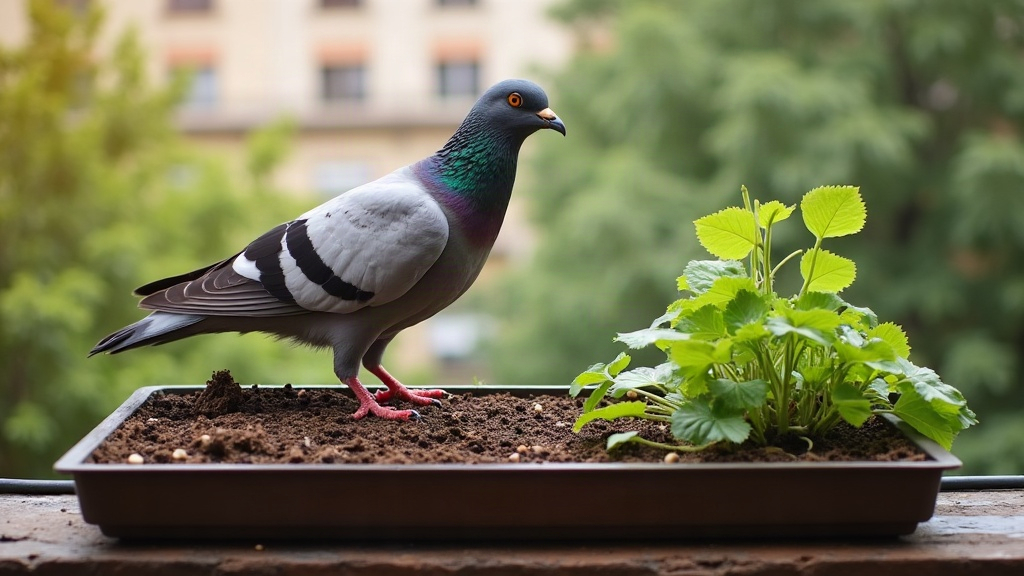
Pigeons dig up newly sown balcony seed trays because they’re hunting for grit, a good dust bath, or whatever seed happens to be sitting on the surface. Freshly turned compost practically advertises itself to them. The quickest, most dependable fix is layering a physical barrier (netting or mesh laid straight over the tray) with removing the visual cues that pull pigeons in in the first place, like bare soil or scattered seed. Here’s the full picture: why it happens, and exactly what to do about it without hurting the birds.
Why Pigeons Target Seed Trays Specifically
This isn’t malice. Pigeons are just following instinct:
- Grit-seeking behavior: Pigeons swallow tiny stones to help grind food down in their gizzard. Loose seed-starting compost feels and looks close enough to grit that they’ll give it a try.
- Dust-bathing: Dry, fine soil is perfect for fluffing into feathers to knock out parasites and excess oil. A seed tray is basically a ready-made bathtub.
- Leftover seed detection: Pigeons have genuinely sharp eyesight. If even a few seeds are visible on the surface, they’ll notice from several meters away.
- Easy, undefended surface: Balcony trays sit at a convenient height and are rarely guarded, which makes them a much lower-risk feeding spot than open ground where cats and other threats lurk.
Once one pigeon finds a tray worth digging in, it comes back. Often it brings friends too, since pigeons tend to forage in small groups once a food source is confirmed.
Step-by-Step: How to Stop the Digging
1. Cover the Tray Immediately After Sowing
Physical exclusion beats everything else, hands down:
- Fine mesh or garden netting, pulled tight over the tray and secured at the edges with clips or elastic bands.
- Clear plastic propagator lids (the standard seed tray covers you’d buy anyway) do double duty: they block pigeons and speed up germination with a mini greenhouse effect.
- DIY wire cloche: bend chicken wire or hardware cloth into a low dome shape and push the corners into the compost to anchor it.
Leave the cover on until the seedlings are a few centimeters tall and the compost surface has firmed up and isn’t loose anymore.
2. Hide the Soil Surface
Loose, dusty-looking soil is the bait. So disguise it:
- Top-dress with a thin layer of horticultural grit or vermiculite. It’s far less appealing to dig in and harder for a beak to shift around.
- Where it’s practical, swap loose compost for pre-formed seed pellets or plugs.
- Never leave seed sitting visible on top. Sow at the correct depth and firm the soil down gently afterward.
3. Remove the Incentive to Land Nearby
- Skip leaving birdseed, bread, or food scraps anywhere on the balcony. Even a few crumbs can train pigeons to treat the whole space as a feeding ground.
- Clean up spilled compost or torn seed packets right away, don’t let them sit.
- Got other potted plants around? Cover their soil too. Pigeons will happily dust-bathe in one exposed pot and then hop straight over to the tray next to it.
4. Make the Landing Spot Uncomfortable
Pigeons like to land on something flat and stable first, then hop down to investigate. Take that step away:
- Bird spikes along railings or ledges, wherever they usually perch before dropping in.
- Reflective deterrents: old CDs, mylar tape, or a few hanging reflective strips. The flashing light and movement genuinely unsettles them.
- Fishing line grid: string thin, nearly invisible fishing line crisscrossed about 15 to 20 cm above the tray. Pigeons hate flying into things they can’t quite see, so they’ll steer clear.
5. Use Scent and Sound Sparingly
Treat these as backup, not the main plan:
- Citrus peel or a light vinegar spray near (not directly on) the trays can put pigeons off.
- Wind chimes or the occasional motion-triggered noise help a little, but pigeons are smart enough to get used to the same sound repeated over and over.
What Doesn’t Work Well
- Fake owls or snakes: urban pigeons figure these out fast and stop caring entirely.
- Chasing them off now and then: without an actual barrier, they’re back within minutes.
- Pesticides or poison: illegal for pigeons in a lot of places, dangerous for other wildlife, and just not worth the risk. Don’t.
Quick Checklist for New Sowings
- ✅ Cover the tray with mesh, netting, or a clear lid right after sowing
- ✅ Top-dress with grit or vermiculite to hide the loose soil
- ✅ Clear away any visible seed or food scraps nearby
- ✅ Add bird spikes or a fishing line grid near typical landing spots
- ✅ Keep the cover on until seedlings are properly established
Conclusion
Pigeons tear into balcony seed trays for one simple reason: loose, exposed soil looks exactly like the grit and dust-bathing material they’re wired to seek out. Chasing them off repeatedly doesn’t solve anything, it just buys you a few minutes. What actually works is taking the opportunity away entirely: a secure physical cover, a disguised soil surface, and nearby perches that aren’t worth landing on. Put those together and your seedlings get an undisturbed start, no harm to the birds needed.