Best Heat-Tolerant Herbs for Fourth-Floor Balconies With Afternoon Sun
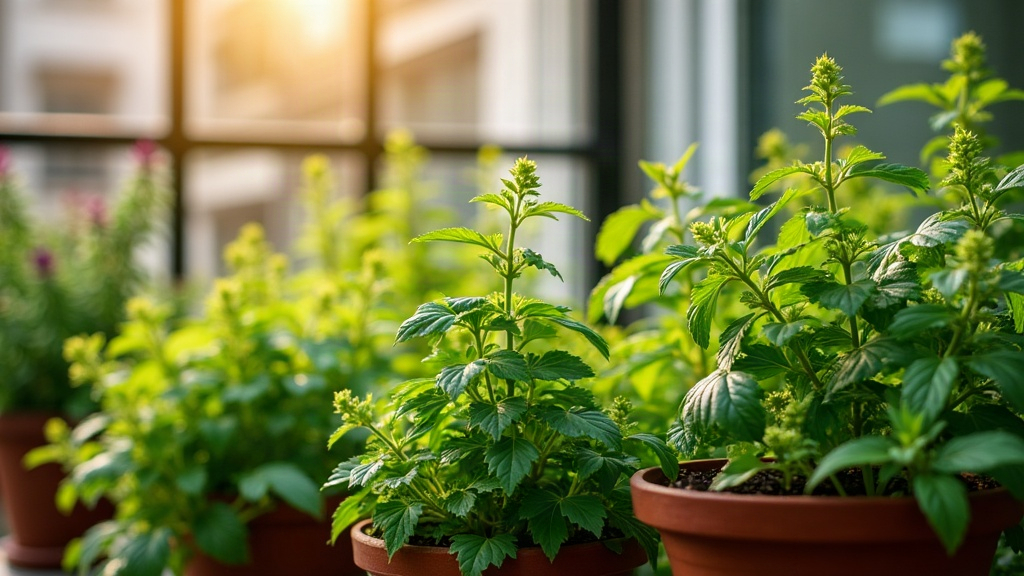
If you live on a fourth floor or higher, your balcony probably feels like its own little climate zone. The wind hits harder up there, concrete and glass throw back heat like a reflector oven, and by mid-afternoon the surface temperature can blow way past anything printed on a seed packet. Here’s the good news, though: quite a few herbs actually do better in these rough conditions than they would at ground level. This guide walks through the best heat-tolerant herbs for a fourth-floor balcony baking in afternoon sun, along with some practical tips to keep them thriving instead of crisping up.
Why High Floors Are a Unique Growing Challenge
Balconies four floors up (or higher) deal with sun exposure that’s amplified in several ways:
- Radiant heat bouncing off nearby buildings and pavement
- Faster soil drying, thanks to wind that never really lets up
- Less shade coverage, since neighboring structures rarely block afternoon light once you’re above the third or fourth story
- Bigger temperature swings between scorching days and surprisingly cool nights
Put simply, herbs up here need to handle both intense light and rapid moisture loss. “Full sun” on a plant tag doesn’t tell the whole story; what you actually need is real resilience.
Top Heat-Tolerant Herbs to Grow
1. Rosemary
Rosemary seems almost engineered for rooftop-style punishment. The woody stems and needle-thin leaves cut down on water loss, and honestly, this plant prefers to dry out between waterings rather than stay damp. A big terracotta pot works best here, the material breathes and helps keep roots from rotting.
2. Thyme
Low, sprawling, and stubbornly drought-resistant, thyme shrugs off reflected heat that would fry other plants. Tuck it along the edges of a railing planter, right where the soil dries out fastest anyway.
3. Oregano
This Mediterranean native genuinely loves full sun and won’t sulk when the heat cranks up. It also spreads aggressively, so give it its own pot rather than squeezing it in next to thirstier neighbors.
4. Sage
Those fuzzy, silvery-green leaves aren’t just for looks, they reflect sunlight and cut down on transpiration. Sage takes its time getting established, but once it does, it can handle a pot that bakes in direct sun all afternoon without complaint.
5. Lavender
Technically an herb, and it earns its place on this list twice over: heat tolerance plus bees and butterflies stopping by. For the hottest, harshest spots, go with Spanish or French varieties.
6. Lemon Verbena
People sleep on this one. Lemon verbena handles strong sun with ease and pays you back with leaves so citrus-scented they make a genuinely great cup of tea.
Herbs to Avoid in Harsh Afternoon Sun
Not every herb is cut out for a high-rise balcony that feels like a frying pan by 2pm. Skip these, or at least give them some shade:
- Basil – wilts fast without afternoon relief or frequent watering
- Cilantro – bolts almost immediately once temperatures climb
- Mint – wants moist soil and partial shade, not a heat lamp
- Parsley – scorches easily once temps pass 90°F (32°C)
If you’re attached to any of these, put them somewhere that only catches morning sun, or rig up a shade cloth for the worst afternoon hours.
Practical Care Tips for High-Floor Balconies
- Go heavier and wider with your pots. Wind at that height will knock over anything flimsy.
- Mulch the soil surface with bark or gravel to slow down evaporation.
- Water early in the morning, never at midday, so roots get a chance to soak up moisture before the heat really hits.
- Cluster your pots together. It creates a slightly cooler, more humid pocket of air around the plants.
- Pick light-colored containers. They absorb far less heat than dark plastic ones.
- Pay attention to wind exposure. A basic mesh windbreak can save your leaves from damage and your soil from drying out too fast.
Soil and Watering Notes
These heat-loving herbs generally want well-draining soil, mixed with some sand or perlite. And here’s the thing most people get wrong: overwatering is actually a bigger threat than underwatering for Mediterranean herbs like rosemary and thyme. Root rot will kill them faster than any dry spell ever could.
Final Thoughts
A fourth-floor balcony under relentless afternoon sun doesn’t have to be a plant graveyard. Stick with naturally heat- and drought-tolerant herbs (rosemary, thyme, oregano, sage, lavender, lemon verbena) and dial in your watering routine and container choices, and you can end up with a low-maintenance herb garden that actually thrives in conditions most plants dread. Start small, maybe two or three of these, see how they respond to your specific spot, and build out from there once you know what works.