Beginner Guide to Growing Dwarf Snapdragons in Railing Planters
Why Dwarf Snapdragons Work So Well in Railing Planters
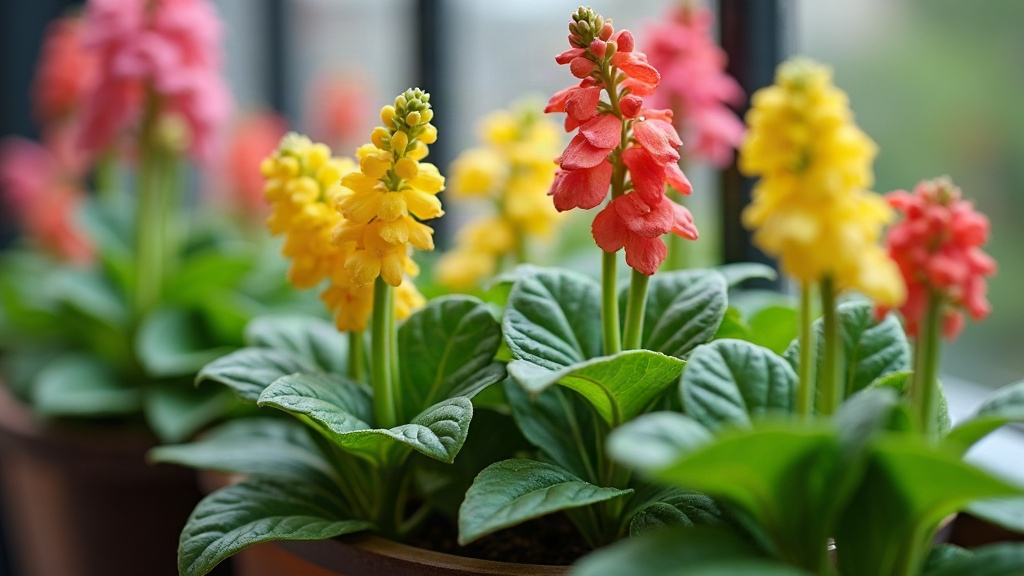
Railing planters don’t give you much to work with. Most are only 5 to 6 inches deep, which knocks out a huge chunk of the flowers you might want to grow. Dwarf snapdragon varieties, think ‘Montego’, ‘Floral Showers’, or ‘Snaptastic’, solve that problem. They top out at 6 to 12 inches and their roots stay shallow and fibrous, so they fit that tight soil depth without a fight.
A few other things going for them:
- Cool-tolerant: They keep blooming through chilly spring mornings and cooler fall stretches, right when other annuals start sulking.
- Continuous flowering: Deadhead them on a schedule and they’ll keep pushing new blooms for months, not weeks.
- Vertical color: The upright spikes give you height without the plant flopping over the rail edge. That matters more than you’d think once the wind picks up.
Choosing the Right Planter and Setup
A railing planter hangs off a rail, so weight and drainage aren’t optional details, they’re the whole ballgame.
- Depth: Aim for at least 5 inches. Enough room for the roots, still light enough to hang safely.
- Drainage holes: Non-negotiable. Snapdragons sitting in wet soil will rot at the roots within a week or two.
- Material: Resin or fiberglass beats heavy ceramic here, especially if you’re mounting this three floors up.
- Brackets: Get hooks rated for the full filled weight, not just the empty planter. Soil plus water plus mature plants adds up faster than people expect, sometimes 15-20 lbs per foot of planter.
Soil and Planting Tips
Skip garden soil entirely. It compacts hard in shallow containers and suffocates roots within a season.
- Fill with a peat-based or coco-coir mix cut with perlite for drainage.
- Space seedlings 4 to 6 inches apart. Tighter spacing than you’d use in a garden bed, but it fills out shallow boxes nicely.
- Plant at the same depth as the nursery pot. Burying the stem invites rot.
- Mix in a slow-release fertilizer right at planting so blooming stays steady instead of stalling after week three.
Sunlight and Temperature Needs
These plants want full sun to partial shade, roughly 5-6 hours of direct light a day. If you’re somewhere with brutal summer afternoons, a bit of shade in the hottest hours keeps them from wilting and stretches the bloom window well into summer. Light frost doesn’t bother them much either, which makes them a solid pick for early spring or late fall railing displays when most other annuals are done for the season.
Watering Without Overdoing It
Shallow soil dries out fast, faster than you’d guess if you’re used to deep pots.
- Check the soil daily once it gets warm. Stick a finger in; if the top inch is dry, water.
- Water at the base, not overhead. Wet foliage invites powdery mildew.
- Don’t let water pool in a saucer under the planter. That’s a fast track to root rot.
Feeding for Continuous Blooms
Shallow soil just can’t hold much in the way of nutrients, so you’ll be feeding more often than with a deep container garden.
- Give a balanced liquid fertilizer (10-10-10 works fine) every 2-3 weeks.
- Once flowers start opening, switch to something with more phosphorus to keep the blooms coming.
- Go easy on nitrogen. Too much and you’ll get lush leaves and disappointingly few flowers.
Pinching and Deadheading
This step separates a leggy, sparse planter from a full, bushy one.
- Pinch young plants once they hit 3-4 inches, snipping off the top set of leaves. This forces the plant to branch out sideways instead of just growing one tall spike.
- Deadhead faded blooms by cutting the spike back to a leaf node. Left alone, the plant pours energy into making seeds instead of new flowers, so this one habit alone can double your bloom count over a season.
Common Problems and Fixes
- Leggy growth: Usually not enough light, or you skipped the pinching step. Move it somewhere sunnier and pinch back hard.
- Yellowing leaves: Nine times out of ten, it’s overwatering. Check that the drainage holes aren’t clogged with soil.
- Rust or mildew: Give plants breathing room, don’t crowd them, and keep water off the foliage.
- Wind damage: Railing planters sit exposed to gusts most garden beds never face. Stake taller varieties, or just plant the shortest dwarf cultivars if your balcony catches a lot of wind.
Conclusion
Dwarf snapdragons are about as forgiving as flowers get for anyone new to shallow railing planters. Good drainage, steady watering, regular feeding, and a bit of pinching discipline, that’s really the whole formula. Get a decent potting mix, find a sunny spot on the rail, and you’ll have a mini flower display worth looking at within a few weeks.