Growing Perennial Chives in Window Boxes That Freeze Overnight
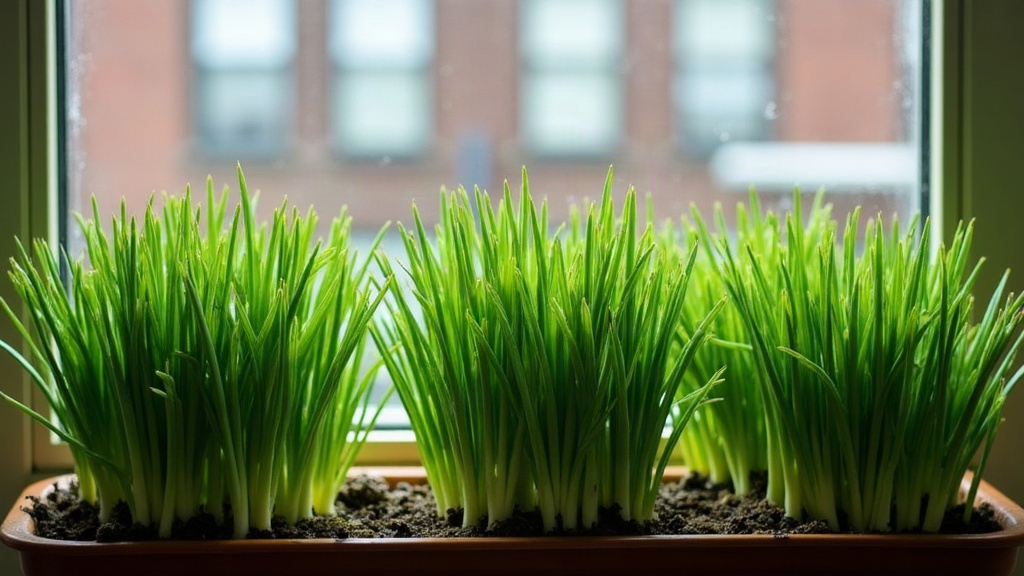
Why Chives Are Ideal for Cold Window Boxes
Chives (Allium schoenoprasum) are hardy down to USDA zone 3, which on paper means they can shrug off temperatures as low as -30°F (-34°C) in open ground. A window box is a different story, though. Roots stuck in a container freeze faster and harder than roots buried in garden soil, simply because there’s less earth mass around them to act as insulation. A pot sitting on a windowsill in January is basically exposed on all sides, not tucked safely underground like a border bed would be.
Here’s the good news: chives have a built-in survival trick. When the temperature drops hard overnight, the visible leaves can die back or go dormant while the bulb-like base and root clump just sit tight beneath the soil line, waiting it out. Come spring, they resprout like nothing happened. Compare that to basil, which turns to mush the moment frost touches it, and you start to see why chives are the herb people recommend for exposed, freezing window boxes.
Choosing the Right Window Box and Soil
Container Material Matters
- Skip thin plastic or ceramic boxes. They crack under freeze-thaw stress and bleed heat fast, leaving roots exposed to temperature swings.
- Go with fiberglass, wood, or thick-walled resin. These materials insulate roots noticeably better and won’t split when water inside the walls freezes and expands.
- Don’t skimp on drainage holes. A block of frozen, waterlogged soil does far more damage to roots than dry soil that freezes. If water can’t escape, it sits, freezes, and essentially entombs the root system.
Soil Mix for Freeze Resilience
Loose, well-draining soil gives ice crystals room to expand without crushing roots. A mix that works well:
- 2 parts quality potting mix
- 1 part perlite or coarse sand
- 1 part compost for nutrients
Steer clear of heavy garden soil in containers. It compacts over a season, holds too much water, and freezes into a solid, root-snapping brick, exactly what you don’t want three inches from a chive clump’s base.
Planting and Positioning Tips
- Plant in early fall or early spring, giving the roots 6 to 8 weeks to settle in before the worst of winter arrives.
- Favor south- or east-facing spots when you can. Morning sun thaws overnight frost quickly, which cuts down on how long the roots sit in an icy state.
- Space clumps roughly 6 inches apart. Crowded chives trap moisture when snow melts, and that’s an invitation for fungal problems.
- Mulch with 1 to 2 inches of straw, shredded bark, or dried leaves. It sounds minor, but this one step noticeably limits how deep the overnight freeze reaches into the root zone.
How Chives Handle Nightly Freeze-Thaw Cycles
Oddly enough, a single long deep freeze is often easier on plants than repeated freeze-thaw swings. Each cycle makes the soil expand and contract, which can heave roots upward and shear off the fine root hairs that do most of the water absorption. A few habits help offset this:
- Keep the soil lightly moist (not waterlogged) heading into winter. Moist soil retains heat better than bone-dry soil, which sounds counterintuitive but holds true.
- Stop fertilizing after late summer. Fresh, tender growth is exactly what frost damages first, so you don’t want to be encouraging new shoots in October.
- Resist the urge to cut back the foliage in fall. Let it die back on its own. Those dead, papery leaves work as a thin natural insulating blanket over the crown.
Signs Your Chives Are Struggling vs. Just Dormant
| Sign | Dormant (Normal) | Stressed/Dying |
|---|---|---|
| Foliage color | Yellow-brown, papery | Mushy, black, slimy |
| Base of clump | Firm, white/pale | Soft, rotten smell |
| Spring regrowth | New green shoots within 2-4 weeks of warming | No regrowth after 6+ weeks of consistent warmth |
Pull back a bit of mulch in late winter and check the base of the clump. Firm and pale? It’s fine, just resting. Soft, dark, and smelling off? That’s rot, not dormancy, and it’s a different problem entirely.
Extra Protection for Extreme Cold Snaps
Once nights dip below 10°F (-12°C), particularly with wind hitting an upper-floor window box, it’s worth doing a bit more:
- Drape a breathable frost cloth or burlap over the box in the evening and pull it off again by mid-morning so the plants still get light and air.
- Group containers together against a wall. They’ll share a bit of residual warmth and block some wind from each other.
- During the single coldest week of the year, consider moving portable boxes into an unheated garage or enclosed porch, then setting them back outside once the worst passes.
Spring Revival Routine
Once nighttime lows settle reliably above freezing, it’s time to wake the box up:
- Trim all the dead, papery foliage down to soil level.
- Add a thin top-dressing of compost.
- Start watering again, lightly at first. Chives tend to snap out of dormancy quickly, and you’ll often see fresh green spikes within two to three weeks.
Conclusion
Chives earn their reputation as one of the toughest perennial herbs for cold, exposed window boxes precisely because the root clump rides out freezing temperatures even as the top growth dies back. The real work happens in the choices you make upfront: a solid, insulating container, soil that drains instead of compacting, a decent mulch layer, and the discipline to leave the plant alone in fall instead of fussing over it. Treat window box chives like the hardy perennials they actually are, and they’ll come back green and productive every spring, no replanting, no fuss.